
TRAVEL
Why Advanced Travel Planning Reduces Anxiety and Stress


Traveling is an exciting experience, but the logistics involved can sometimes cause anxiety and stress. From navigating new locations to managing schedules and budgets, there’s a lot to consider when planning a trip. Advanced planning can make a significant difference in reducing travel-related stress, allowing you to focus on enjoying your journey. Here’s how strategic planning can make your travel experience smoother and more enjoyable.

1. Secure Car Parking Ahead of Time
One of the biggest hassles for travelers, especially when heading to popular destinations or large venues, is finding a convenient and secure parking spot. Advanced planning allows you to research and book your parking space beforehand, eliminating last-minute stress. For example, if you’re traveling to a crowded area, like a stadium, researching mcg parking options can save you valuable time on the day of the event. Pre-booking a parking spot provides peace of mind, knowing you have a reserved place, and helps you avoid the frustration of circling and looking for available spots.
2. Create a Flexible Itinerary
Planning a detailed itinerary can ease travel stress by giving structure to your day while leaving room for flexibility. When you outline your travel plans, including activities, meals, and sightseeing, you have a clearer sense of what your day will look like. A flexible itinerary ensures you have a list of things to do but also allows you to adapt to spontaneous opportunities. This balance of structure and flexibility can help you enjoy your trip without the anxiety of feeling rushed or pressured to stick to a rigid schedule.
3. Budget Your Trip in Advance
Financial concerns are a major source of stress for many travelers, but advanced budgeting can provide a sense of control and confidence. When you plan your budget, estimate costs for accommodations, meals, activities, and transportation. This approach allows you to set realistic expectations and helps you avoid overspending. Advanced budgeting also allows you to allocate funds for special experiences or unexpected expenses, reducing stress about money while traveling. A clear budget plan can make a big difference in helping you relax and enjoy your trip.
4. Research Your Destination
One of the most effective ways to reduce travel anxiety is by thoroughly researching your destination ahead of time. Familiarizing yourself with the local culture, language, and customs can help you feel more prepared and comfortable, allowing you to engage more meaningfully with the environment and its people. Start by learning about the essential details: public transportation options, popular dining spots, local tipping customs, and emergency services like hospitals and pharmacies. This information can make navigating a new place much easier and give you peace of mind.
Diving deeper into your research can also help you uncover lesser-known attractions or hidden gems, enriching your experience and ensuring you maximize your time there. Reading travel guides, online reviews, or even travel blogs can provide insights that help you avoid common tourist mistakes and allow you to find authentic experiences that align with your interests. Talking to friends or family who have visited the location or joining travel forums can also be helpful. Locals and experienced travelers often have tips on what to see, what to avoid, and how to move around efficiently, giving you insider knowledge that helps you feel like a well-informed traveler.
5. Pack Strategically and in Advance

Packing is often left until the last minute, but rushing through it can lead to unnecessary stress and even forgetting important items. By packing strategically and in advance, you can ensure you have everything you need and reduce the anxiety of a last-minute scramble. Make a packing checklist that includes essentials like documents, chargers, toiletries, and weather-appropriate clothing. Packing in advance also gives you time to double-check items or purchase anything you may have overlooked. With everything organized and ready to go, you can start your trip with a sense of calm.
6. Plan for Potential Delays and Setbacks
Travel can be unpredictable, with delays and unexpected challenges often popping up along the way. Planning for potential setbacks is a proactive way to ease stress, allowing you to navigate unforeseen issues with greater flexibility and calm. Start by giving yourself extra time in your itinerary for travel connections, especially if you’re moving between flights, trains, or other modes of transportation. This buffer ensures that minor delays don’t disrupt your entire schedule. For example, if you have a connecting flight, plan for at least an hour or two between connections to allow time for security checks, gate changes, or small delays.
It’s also helpful to research alternative routes and modes of transportation at your destination in case your primary travel plans fall through. Knowing the backup bus routes, train options, or even walking distances can be invaluable if you encounter road closures, public transport issues, or other disruptions. Additionally, booking flexible accommodations and activities that allow for changes or cancellations can give you peace of mind, as you won’t feel tied to a rigid schedule that could incur extra costs if plans change.
7. Prioritize Self-Care During Your Trip
Traveling, especially when it involves tight schedules and new environments, can take a toll on both your physical and mental well-being. Prioritizing self-care while on your trip helps keep stress levels in check and ensures you feel refreshed and energized for each day’s adventures. Simple practices, such as staying hydrated, getting adequate rest, and incorporating some downtime, can make a big difference. Try to balance your itinerary by mixing in relaxing activities, like a quiet meal or a scenic walk, to recharge between more active experiences. Self-care during travel not only enhances your enjoyment but also helps you stay resilient in case of any unexpected issues, keeping your journey both smooth and satisfying.
Advanced travel planning is an effective way to minimize stress and ensure a smooth, enjoyable trip. From securing parking and budgeting to creating flexible itineraries and preparing for delays, these proactive steps provide structure and peace of mind. By planning, you can reduce travel-related anxiety, making it easier to embrace the journey and fully enjoy your experiences. Whether it’s a short getaway or a long adventure, thorough preparation allows you to focus on what matters—creating lasting memories and savoring every moment of your travel experience.


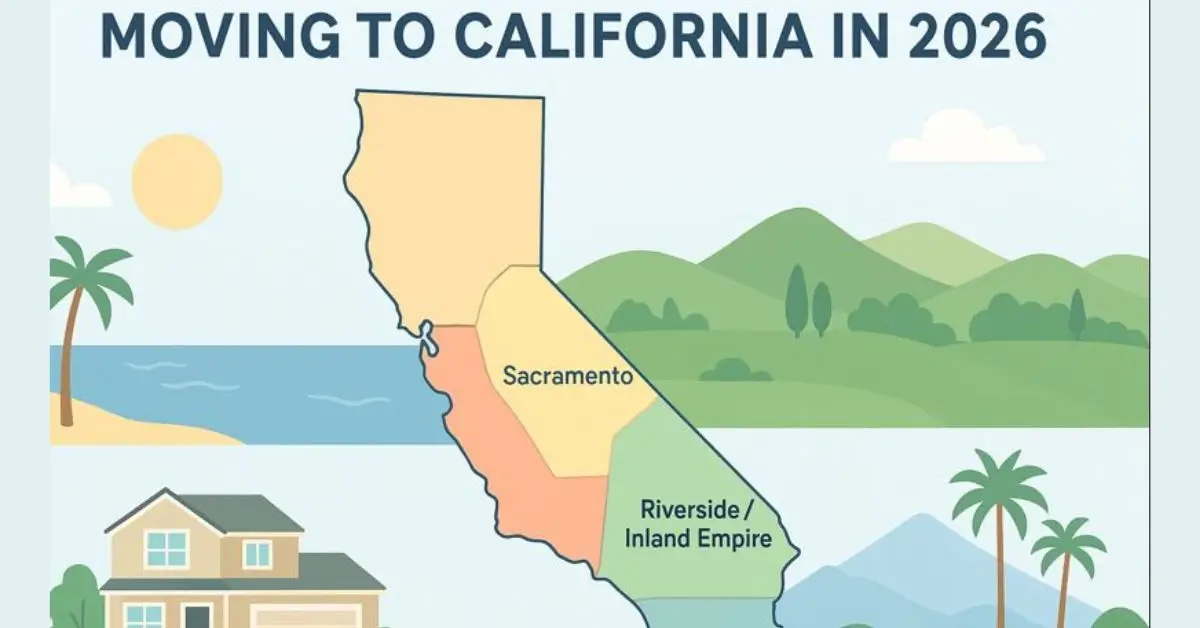
California continues to fascinate people considering a major life change. With its climate, economic strength, and cultural diversity, the state still attracts new residents every year. Yet rising housing costs and shifting migration patterns make the decision more complex than in the past. Understanding the data and the lived reality of different regions is essential before deciding whether living in California is the right choice for you.
Housing Trends and Local Insight
Real estate plays a central role in any relocation plan. According to the California Association of Realtors, the state’s median home price recently passed nine hundred thousand dollars, driven mostly by high demand in coastal metros. Inland markets, however, tell a different story. Areas such as Sacramento, Riverside, and Bakersfield remain significantly more accessible and continue to show steady price appreciation instead of the extreme swings seen in luxury coastal areas.
Because neighborhoods vary widely in lifestyle, affordability, and long-term value, having regional context matters. Resources like livingincalifornia.com, led by Alex Schult, offer grounded insight that helps newcomers understand how different parts of the state truly compare. As a licensed Realtor® (DRE #02236174) and long-time Orange County resident, Alex provides clarity on schools, neighborhoods, commuting patterns, and community feel—factors that state-level data cannot capture.
Comparing Key California Regions in 2026
To make the decision clearer, here is a simple comparison of major regions based on publicly available data from CAR, PPIC, and FHFA.
| Region | Median Home Price (2025–2026 Estimates) | Lifestyle Summary | Notable Trend |
| Los Angeles | ~$950K | Urban, diverse, entertainment-driven | High demand, limited inventory |
| Bay Area | $1.2M+ | Tech-centric, dense, high-income | Stabilizing after past volatility |
| Sacramento | ~$550K | Suburban growing metro | Popular among remote workers |
| Riverside/Inland Empire | ~$575K | Family-friendly, more space | Strong population growth |
| San Diego | ~$980K | Coastal, outdoors, military influence | High desirability, moderate supply |
This regional contrast is one reason why many newcomers broaden their search beyond the coast. Inland counties often offer better housing opportunities while still providing access to job centers and major transportation corridors.
Economic Strength and Career Opportunities
California remains one of the world’s most powerful economic engines. With a GDP exceeding three point nine trillion dollars, the state continues to outperform most countries in total output. Industries such as biotechnology, clean energy, artificial intelligence, aerospace, agriculture, and healthcare are expanding, creating opportunities across a wide range of professions.
Remote work flexibility also plays a role. Workers earning salaries tied to Los Angeles or Bay Area markets often choose inland communities to balance affordability with professional opportunity. This trend has helped stabilize demand in regions that previously saw slower growth.
Lifestyle and Quality-of-Life Considerations
Lifestyle remains one of the strongest arguments in favor of the move. California’s climate makes outdoor living accessible year-round, supporting healthier routines and greater work-life balance. Whether it’s hiking in the foothills, spending time at the coast, exploring wine regions, or enjoying cultural events, the state offers daily ways to stay active and engaged.
Families often highlight education as another benefit. The state is home to top public school districts and prestigious universities like UCLA, UC Berkeley, UC San Diego, and Stanford, which shape the surrounding communities and create strong learning environments.
Balancing Cost, Value, and Long-Term Outlook
The cost of living in California is higher than the national average, yet value depends heavily on where you choose to live. Inland regions offer room to grow financially, while coastal cities provide access to higher-earning industries. Research from PPIC shows that households relocating to mid-sized California cities report stronger satisfaction with their cost-to-quality-of-life balance than those who move directly into major metro centers.
Milder weather also reduces certain expenses, and the availability of free outdoor recreation contributes to a lifestyle that doesn’t rely heavily on costly activities.
So, Is Moving to California Worth It in 2026?
The answer depends on what you want your future to look like. If career opportunity, outdoor living, cultural diversity, and long-term growth matter most, California continues to offer meaningful advantages. If affordability is the top priority, the decision requires careful research and an openness to exploring emerging regions rather than only the well-known coastal cities.
California in 2026 remains a place where many people come to start fresh, pursue new goals, and build a life shaped by both ambition and natural beauty. With the right planning, clear expectations, and reliable local insights, moving here can still be a rewarding, forward-looking choice.

Who doesn’t dream of reclining in a lie-flat seat, savoring gourmet meals, and bypassing long queues—all without breaking the bank? Finding the cheapest business class flights is possible with the right strategies. Whether you’re a frequent flyer or planning a once-in-a-lifetime trip, this guide reveals insider tips to secure affordable luxury in the skies.
Why Business Class Is Worth the Splurge
Flying business class isn’t just about comfort—it’s a game-changer for long-haul travel. With priority boarding, extra baggage allowances, and premium lounges, the experience justifies the cost. However, paying full price isn’t your only option. By leveraging timing, loyalty programs, and lesser-known booking hacks, you can enjoy these perks at a fraction of the usual cost.
Key Benefits of Business Class:
Space & Comfort: Lie-flat seats and ample legroom.
Time Efficiency: Faster check-in, security, and baggage handling.
Enhanced Dining: Chef-curated meals and premium beverages.
Wellness: Reduced jet lag with better sleep and amenities.
How to Find the Cheapest Business Class Flights
1. Book at the Right Time
Airlines often adjust prices based on demand. For the cheapest business class flights, aim to book:
3–4 months in advance for international routes.
During off-peak seasons (e.g., January–February or September–October).
Midweek (Tuesday–Wednesday), when fares tend to drop.
2. Use Flight Comparison Tools
Aggregator platforms allow you to compare prices across multiple airlines instantly. Filter results by cabin class and set price alerts to snag deals when fares dip.
3. Leverage Airline Loyalty Programs
Frequent flyer miles and credit card points can slash costs significantly. Many carriers offer discounted business class awards or last-minute upgrade auctions.
4. Consider Alternate Routes
Flights with layovers are often cheaper than direct routes. Opt for a stop in a hub city like Dubai or Istanbul to save substantially.
5. Watch for Error Fares and Promotions
Airlines occasionally publish mispriced tickets or run unadvertised sales. Follow deal forums and newsletters to catch these rare opportunities.
Comparing Business Class Flight Features
Here’s a quick breakdown of what to expect when hunting for the cheapest business class flights:
| Feature | Budget Airlines | Premium Carriers | Hybrid Options |
|---|---|---|---|
| Cost | Lowest | Highest | Moderate |
| Seat Quality | Recliner | Lie-flat | Semi-lie-flat |
| Dining | Basic | Gourmet | Enhanced |
| Lounges | Limited access | Full access | Restricted |
| Baggage | Standard | Generous | Moderate |
Insider Tricks to Upgrade for Less
Even if you book economy initially, these tactics can land you a business-class seat without the upfront cost:
Bid for Upgrades: Some airlines let you bid for upgrades post-booking.
Use Points at Check-In: Redeem miles for a last-minute upgrade.
Dress the Part: Polite, well-dressed travelers occasionally get free upgrades.
Avoiding Common Pitfalls
While chasing the cheapest business class flights, watch out for:
Hidden Fees: Some “discounted” tickets exclude baggage or seat selection.
Restrictive Policies: Non-refundable fares can backfire if plans change.
Scams: Stick to reputable booking platforms to avoid fraud.
Final Thoughts
Securing the cheapest business class flights requires patience, flexibility, and smart strategies. By booking strategically, leveraging loyalty programs, and staying alert for promotions, you can experience luxury travel without the steep price tag. Ready to elevate your next journey? Start applying these tips today.
FAQs
How Far in Advance Should I Book for the Cheapest Business Class Flights?
Aim for 3–4 months before departure. Airlines often release discounted seats early, and prices rise as demand increases closer to the travel date.
Are Budget Airlines’ Business Class Seats Worth It?
Yes, if your priority is cost over luxury. Budget carriers offer better legroom and perks than economy but may lack premium dining or lounges.
Can I Use Miles to Book Cheap Business Class Flights?
Absolutely. Many airlines offer “saver awards” with fewer miles during off-peak times. Flexibility with dates maximizes your redemption value.
Do Last-Minute Business Class Deals Exist?
Rarely, but airlines sometimes slash prices to fill empty seats. Check upgrade auctions or standby lists 24–48 hours before departure.
What’s the Best Day to Fly for Lower Business Class Fares?
Midweek flights (Tuesday–Thursday) are typically cheaper, as demand drops compared to weekends.
How Can I Verify If a Business Class Deal Is Legitimate?
Cross-check prices on the airline’s official website and read reviews of third-party sellers. Too-good-to-be-true prices often signal scams.

 Cartoon1 year ago
Unlocking the Potential of Nekopoi.care: A Comprehensive Guide
- Game2 years ago
Exploring Aopickleballthietke.com: Your Ultimate Pickleball Destination
- BUSINESS2 years ago
Unraveling the Mystery of 405 Howard Street San Francisco charge on Credit Card
- HEALTH2 years ago
Wegovy: Important Information and Prescription Instructions
- BUSINESS1 year ago
What Companies Are In The Consumer Services Field
- HOME IMPROVEMENT3 years ago
Vtrahe vs. Other Platforms: Which One Reigns Supreme?
- ENTERTAINMENT2 years ago
Understanding Bunkr Album: A Comprehensive Guide
- ENTERTAINMENT2 years ago
The Ultimate Guide to MP3Juices: Free Music Download