
TRAVEL
Why Trek in Nepal?

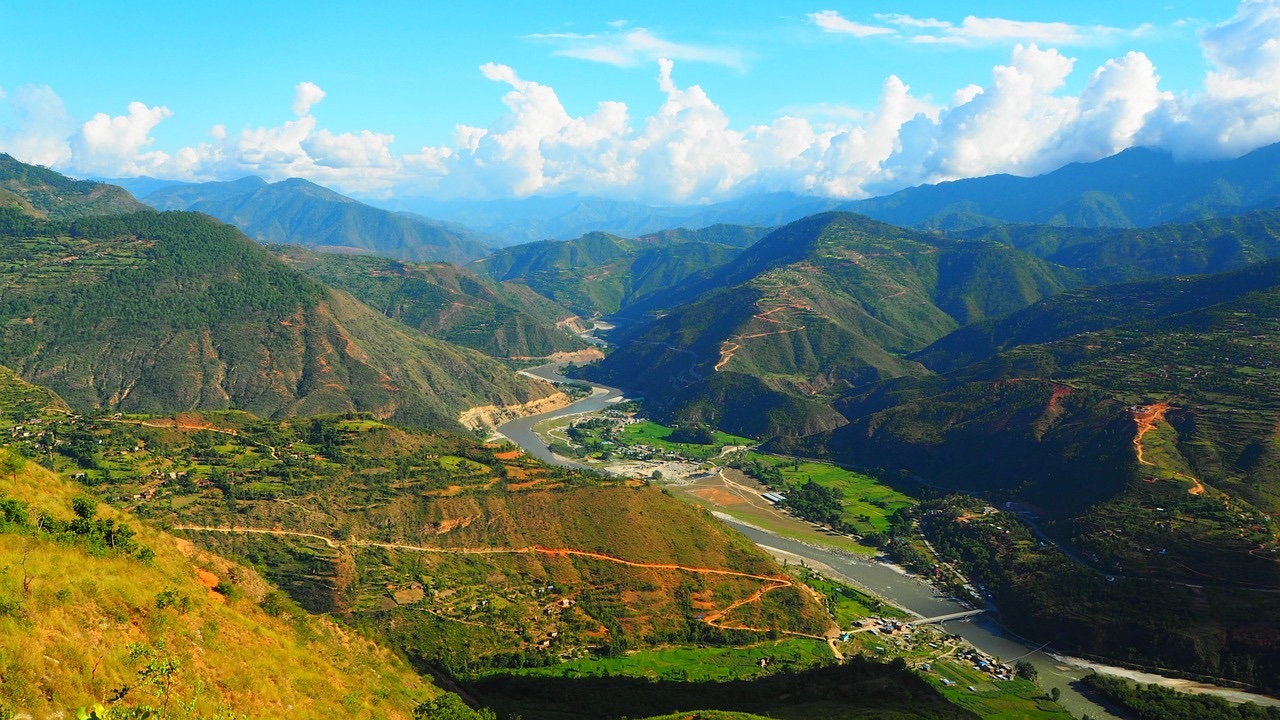
Nepal is not just about conquering peaks. It’s an ideal destination for those who appreciate the beauty of nature in its purest form. The country’s varied landscapes, from subtropical forests to alpine meadows, host an impressive range of wildlife, including some rare and endangered species. Trekking in Nepal offers the chance to witness this biodiversity up close, with the backdrop of some of the world’s most stunning natural scenery.
Nepal’s well-preserved national parks and conservation areas, alongside its cultural richness and warm hospitality, make it a dream destination for trekkers who wish to blend adventure with wildlife observation.
1. Annapurna Circuit Trek
The Annapurna Circuit is one of Nepal’s most iconic treks, renowned for its breathtaking scenery and diverse wildlife. This trek circles the majestic Annapurna Massif, taking you through lush forests, traditional villages, and high-altitude deserts.
Wildlife Highlights
- Red Panda: The lush rhododendron forests are home to the elusive red panda. Keep your eyes peeled for this adorable creature as you trek through the lower regions.
- Himalayan Tahr: A large herbivore resembling a wild goat, often seen grazing on the high slopes.
- Blue Sheep (Bharal): Look out for these agile creatures on rocky cliffs and ridges.
Key Facts
- Duration: 15-20 days
- Difficulty: Moderate to Challenging
- Best Time to Trek: October to November and March to April
- Permits Required: Annapurna Conservation Area Permit (ACAP) and Trekkers’ Information Management System (TIMS) card
2. Langtang Valley Trek
Just north of Kathmandu lies the Langtang Valley, a region rich in biodiversity and culture. Often referred to as the “Valley of Glaciers,” this trek offers a more relaxed pace and a chance to immerse yourself in the natural beauty and tranquility of the Himalayas.
Wildlife Highlights
- Red Panda: Again, the lush forests of Langtang are prime habitats for red pandas.
- Langur Monkeys: These playful primates can be seen swinging from tree to tree.
- Himalayan Black Bear: Rare sightings of this formidable creature can be experienced, but caution is advised.
Key Facts
- Duration: 7-10 days
- Difficulty: Moderate
- Best Time to Trek: September to December and March to May
- Permits Required: Langtang National Park Permit and TIMS card
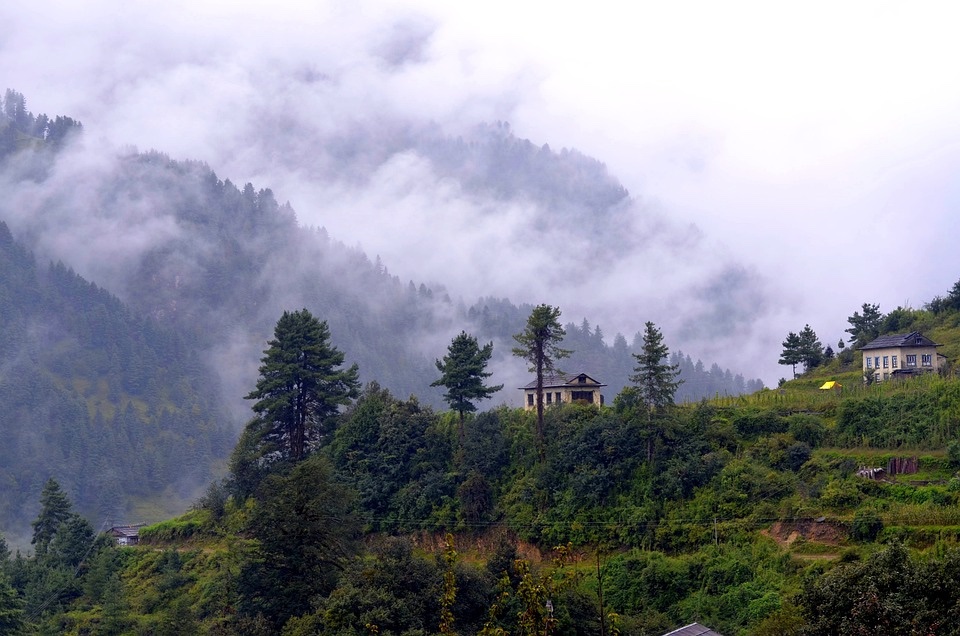
3. Kanchenjunga Base Camp Trek
Overview
The Kanchenjunga Base Camp Trek offers an unparalleled experience for those seeking solitude and pristine wilderness. As you trek towards the world’s third-highest mountain, you’ll pass through remote villages and dense forests teeming with wildlife.
Wildlife Highlights
- Snow Leopard: This elusive predator prowls the high altitudes; sightings are rare but possible.
- Himalayan Musk Deer: An endangered species known for its musk glands, which are often targeted by poachers.
- Impeyan Pheasant (Danphe): Nepal’s national bird, recognizable by its vibrant plumage.
Key Facts
- Duration: 20-24 days
- Difficulty: Challenging
- Best Time to Trek: Late March to May and October to November
- Permits Required: Kanchenjunga Conservation Area Permit and TIMS card
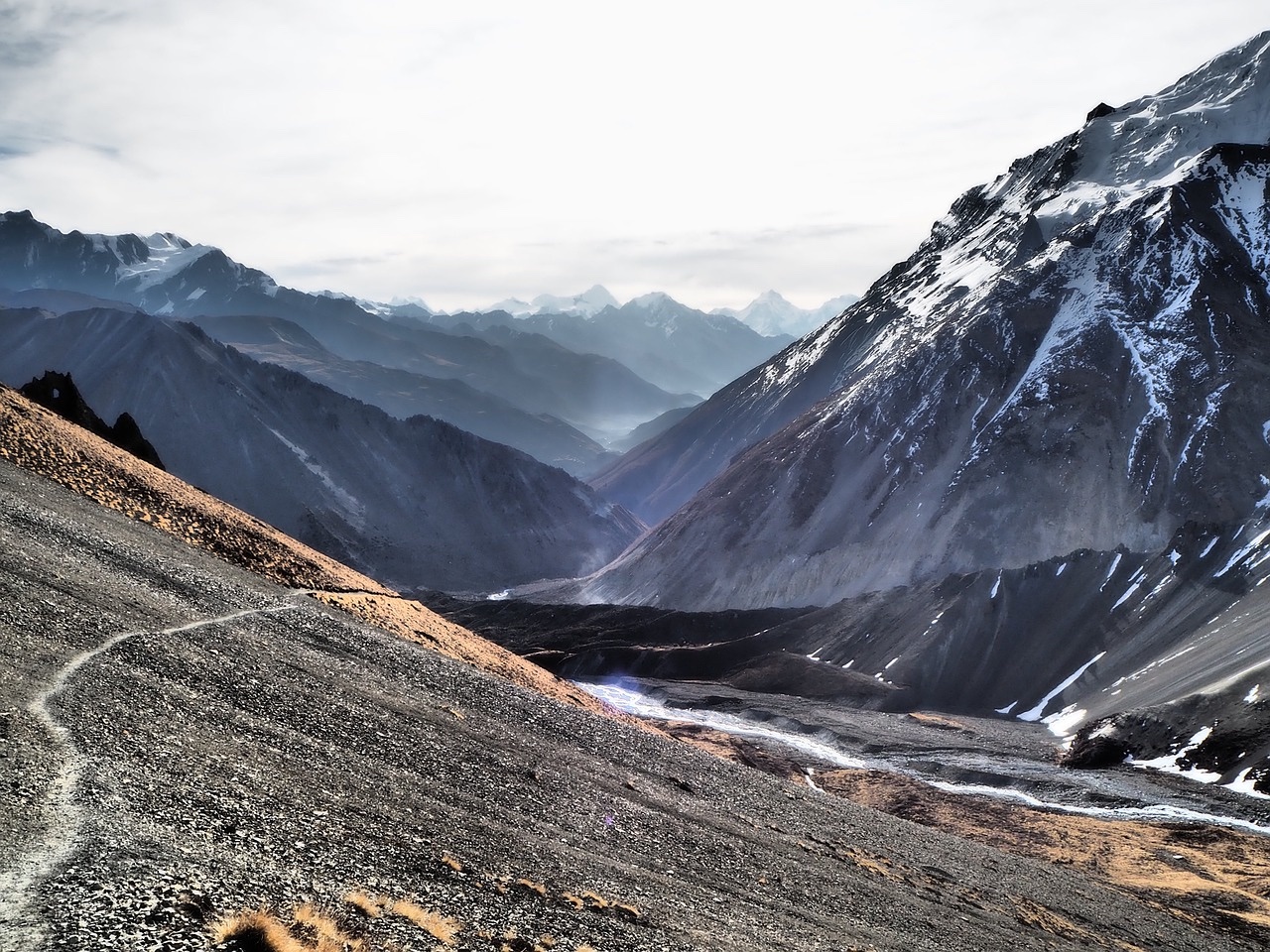
4. Manaslu Circuit Trek
A hidden gem, the Manaslu Circuit Trek offers an off-the-beaten-path experience with fewer trekkers and a more authentic connection with nature. It encircles Mount Manaslu, the eighth-highest peak in the world.
Wildlife Highlights
- Asiatic Black Bear: Keep an eye out for these bears as you move through forested areas.
- Pika: A small mammal related to rabbits, often spotted scurrying among the rocks.
- Golden Eagle: These majestic birds of prey can be seen soaring high above the valleys.
Key Facts
- Duration: 14-18 days
- Difficulty: Moderate to Challenging
- Best Time to Trek: September to November and March to May
- Permits Required: Manaslu Restricted Area Permit, Manaslu Conservation Area Permit, and TIMS card
5. Everest Base Camp Trek
The Everest Base Camp Trek is undoubtedly the most famous trek in the world. While its main draw is the allure of the highest peak, it also offers a rich diversity of wildlife and cultural experiences in the Khumbu region.
Wildlife Highlights
- Snow Leopard: Though sightings are rare, the high-altitude areas are home to this elusive big cat.
- Himalayan Monal: Another striking bird with iridescent feathers, often seen near tree lines.
- Himalayan Thar: You might spot these animals on the rocky slopes around Namche Bazaar and above.
Key Facts
- Duration: 12-16 days
- Difficulty: Moderate
- Best Time to Trek: March to May and September to November
- Permits Required: Sagarmatha National Park Permit and TIMS card
6. Makalu Base Camp Trek
This trek is a journey into one of the most isolated and unspoiled regions of Nepal, offering a remarkable experience for adventure seekers and wildlife enthusiasts alike. The trek to the base of the world’s fifth-highest mountain is demanding but rewarding.
Wildlife Highlights
- Snow Leopard: This trek offers a greater chance of spotting this elusive predator.
- Red Panda: The dense forests at lower altitudes harbor this charming creature.
- Himalayan Marmot: These large ground squirrels are often seen sunbathing on the rocks.
Key Facts
- Duration: 18-22 days
- Difficulty: Challenging
- Best Time to Trek: Late March to May and September to November
- Permits Required: Makalu Barun National Park Permit and TIMS card
7. Upper Mustang Trek
The Upper Mustang Trek is a journey into a unique and isolated region known as the “Forbidden Kingdom.” This trek offers not just wildlife but also a cultural exploration of Tibetan-influenced traditions and landscapes.
Wildlife Highlights
- Snow Leopard: This region is part of a snow leopard conservation area, increasing chances of sightings.
- Wild Ass (Kiang): These magnificent creatures roam the high-altitude plateaus.
- Tibetan Wolf: Occasionally sighted in the more remote areas.
Key Facts
- Duration: 12-15 days
- Difficulty: Moderate
- Best Time to Trek: March to November
- Permits Required: Annapurna Conservation Area Permit and a special Mustang Restricted Area Permit
8. Rara Lake Trek
Rara Lake, the largest lake in Nepal, is nestled within Rara National Park, a region less frequented by tourists but rich in natural beauty and biodiversity. This trek offers an opportunity to experience Nepal’s wild and remote landscapes.
Wildlife Highlights
- Red Panda: The surrounding forests provide habitat for this endearing species.
- Himalayan Black Bear: The park is home to a significant population of these bears.
- Barking Deer: Known for its distinct alarm call, it is often spotted in the forests around Rara Lake.
Key Facts
- Duration: 10-12 days
- Difficulty: Moderate
- Best Time to Trek: September to November and April to May
- Permits Required: Rara National Park Permit and TIMS card
Essential Trekking Tips for Wildlife Enthusiasts
Trekking in Nepal offers incredible wildlife viewing opportunities, but it’s important to do so responsibly. Here are some tips to enhance your experience:
- Respect Wildlife: Always maintain a safe distance from animals and never attempt to feed them.
- Leave No Trace: Follow the principles of “Leave No Trace” to minimize your environmental impact.
- Use a Local Guide: Hiring a knowledgeable local guide can significantly enhance your trekking experience and increase your chances of spotting wildlife.
- Be Prepared for Altitude: Acclimatization is crucial when trekking at high altitudes. Allow time to adjust and recognize the signs of altitude sickness.
- Pack Wisely: Bring binoculars, a camera, and appropriate clothing to adapt to varying climates.
- Stay Informed: Understand the specific regulations of the areas you plan to visit, including any wildlife protection rules.
FAQs
1. What is the best time to trek in Nepal for wildlife viewing?
The best time for trekking in Nepal and wildlife observation is typically from September to November and March to May. During these months, the weather is more stable, and wildlife is more active.
2. Are permits necessary for trekking in Nepal?
Yes, most treks require permits. Common permits include the Annapurna Conservation Area Permit (ACAP), Langtang National Park Permit, TIMS card, and special area permits for restricted regions.
3. How physically challenging are these treks?
The treks range from moderate to challenging, depending on the route and duration. Physical fitness and proper acclimatization are crucial for a safe and enjoyable trekking experience.
4. What wildlife can I expect to see in Nepal?
Nepal is home to a wide variety of wildlife, including the red panda, snow leopard, Himalayan tahr, Himalayan black bear, and numerous bird species like the Impeyan pheasant.
5. Is it safe to trek alone in Nepal?
While trekking alone is possible, it is recommended to trek with a group or hire a guide for safety, especially in more remote and challenging region.
Final Thoughts
Nepal is a paradise for wildlife enthusiasts, offering an unparalleled blend of adventure and natural beauty. Whether you’re trekking through the lush forests of Langtang or exploring the remote valleys of Upper Mustang, each trek presents a unique opportunity to witness Nepal’s diverse ecosystems and wildlife.
With careful planning and respect for nature, you can embark on a journey that not only challenges you physically but also enriches your appreciation for the natural world. So pack your bags, lace up your boots, and set out on an unforgettable adventure in Nepal!


California continues to fascinate people considering a major life change. With its climate, economic strength, and cultural diversity, the state still attracts new residents every year. Yet rising housing costs and shifting migration patterns make the decision more complex than in the past. Understanding the data and the lived reality of different regions is essential before deciding whether living in California is the right choice for you.
Housing Trends and Local Insight
Real estate plays a central role in any relocation plan. According to the California Association of Realtors, the state’s median home price recently passed nine hundred thousand dollars, driven mostly by high demand in coastal metros. Inland markets, however, tell a different story. Areas such as Sacramento, Riverside, and Bakersfield remain significantly more accessible and continue to show steady price appreciation instead of the extreme swings seen in luxury coastal areas.
Because neighborhoods vary widely in lifestyle, affordability, and long-term value, having regional context matters. Resources like livingincalifornia.com, led by Alex Schult, offer grounded insight that helps newcomers understand how different parts of the state truly compare. As a licensed Realtor® (DRE #02236174) and long-time Orange County resident, Alex provides clarity on schools, neighborhoods, commuting patterns, and community feel—factors that state-level data cannot capture.
Comparing Key California Regions in 2026
To make the decision clearer, here is a simple comparison of major regions based on publicly available data from CAR, PPIC, and FHFA.
| Region | Median Home Price (2025–2026 Estimates) | Lifestyle Summary | Notable Trend |
| Los Angeles | ~$950K | Urban, diverse, entertainment-driven | High demand, limited inventory |
| Bay Area | $1.2M+ | Tech-centric, dense, high-income | Stabilizing after past volatility |
| Sacramento | ~$550K | Suburban growing metro | Popular among remote workers |
| Riverside/Inland Empire | ~$575K | Family-friendly, more space | Strong population growth |
| San Diego | ~$980K | Coastal, outdoors, military influence | High desirability, moderate supply |
This regional contrast is one reason why many newcomers broaden their search beyond the coast. Inland counties often offer better housing opportunities while still providing access to job centers and major transportation corridors.
Economic Strength and Career Opportunities
California remains one of the world’s most powerful economic engines. With a GDP exceeding three point nine trillion dollars, the state continues to outperform most countries in total output. Industries such as biotechnology, clean energy, artificial intelligence, aerospace, agriculture, and healthcare are expanding, creating opportunities across a wide range of professions.
Remote work flexibility also plays a role. Workers earning salaries tied to Los Angeles or Bay Area markets often choose inland communities to balance affordability with professional opportunity. This trend has helped stabilize demand in regions that previously saw slower growth.
Lifestyle and Quality-of-Life Considerations
Lifestyle remains one of the strongest arguments in favor of the move. California’s climate makes outdoor living accessible year-round, supporting healthier routines and greater work-life balance. Whether it’s hiking in the foothills, spending time at the coast, exploring wine regions, or enjoying cultural events, the state offers daily ways to stay active and engaged.
Families often highlight education as another benefit. The state is home to top public school districts and prestigious universities like UCLA, UC Berkeley, UC San Diego, and Stanford, which shape the surrounding communities and create strong learning environments.
Balancing Cost, Value, and Long-Term Outlook
The cost of living in California is higher than the national average, yet value depends heavily on where you choose to live. Inland regions offer room to grow financially, while coastal cities provide access to higher-earning industries. Research from PPIC shows that households relocating to mid-sized California cities report stronger satisfaction with their cost-to-quality-of-life balance than those who move directly into major metro centers.
Milder weather also reduces certain expenses, and the availability of free outdoor recreation contributes to a lifestyle that doesn’t rely heavily on costly activities.
So, Is Moving to California Worth It in 2026?
The answer depends on what you want your future to look like. If career opportunity, outdoor living, cultural diversity, and long-term growth matter most, California continues to offer meaningful advantages. If affordability is the top priority, the decision requires careful research and an openness to exploring emerging regions rather than only the well-known coastal cities.
California in 2026 remains a place where many people come to start fresh, pursue new goals, and build a life shaped by both ambition and natural beauty. With the right planning, clear expectations, and reliable local insights, moving here can still be a rewarding, forward-looking choice.

Who doesn’t dream of reclining in a lie-flat seat, savoring gourmet meals, and bypassing long queues—all without breaking the bank? Finding the cheapest business class flights is possible with the right strategies. Whether you’re a frequent flyer or planning a once-in-a-lifetime trip, this guide reveals insider tips to secure affordable luxury in the skies.
Why Business Class Is Worth the Splurge
Flying business class isn’t just about comfort—it’s a game-changer for long-haul travel. With priority boarding, extra baggage allowances, and premium lounges, the experience justifies the cost. However, paying full price isn’t your only option. By leveraging timing, loyalty programs, and lesser-known booking hacks, you can enjoy these perks at a fraction of the usual cost.
Key Benefits of Business Class:
Space & Comfort: Lie-flat seats and ample legroom.
Time Efficiency: Faster check-in, security, and baggage handling.
Enhanced Dining: Chef-curated meals and premium beverages.
Wellness: Reduced jet lag with better sleep and amenities.
How to Find the Cheapest Business Class Flights
1. Book at the Right Time
Airlines often adjust prices based on demand. For the cheapest business class flights, aim to book:
3–4 months in advance for international routes.
During off-peak seasons (e.g., January–February or September–October).
Midweek (Tuesday–Wednesday), when fares tend to drop.
2. Use Flight Comparison Tools
Aggregator platforms allow you to compare prices across multiple airlines instantly. Filter results by cabin class and set price alerts to snag deals when fares dip.
3. Leverage Airline Loyalty Programs
Frequent flyer miles and credit card points can slash costs significantly. Many carriers offer discounted business class awards or last-minute upgrade auctions.
4. Consider Alternate Routes
Flights with layovers are often cheaper than direct routes. Opt for a stop in a hub city like Dubai or Istanbul to save substantially.
5. Watch for Error Fares and Promotions
Airlines occasionally publish mispriced tickets or run unadvertised sales. Follow deal forums and newsletters to catch these rare opportunities.
Comparing Business Class Flight Features
Here’s a quick breakdown of what to expect when hunting for the cheapest business class flights:
| Feature | Budget Airlines | Premium Carriers | Hybrid Options |
|---|---|---|---|
| Cost | Lowest | Highest | Moderate |
| Seat Quality | Recliner | Lie-flat | Semi-lie-flat |
| Dining | Basic | Gourmet | Enhanced |
| Lounges | Limited access | Full access | Restricted |
| Baggage | Standard | Generous | Moderate |
Insider Tricks to Upgrade for Less
Even if you book economy initially, these tactics can land you a business-class seat without the upfront cost:
Bid for Upgrades: Some airlines let you bid for upgrades post-booking.
Use Points at Check-In: Redeem miles for a last-minute upgrade.
Dress the Part: Polite, well-dressed travelers occasionally get free upgrades.
Avoiding Common Pitfalls
While chasing the cheapest business class flights, watch out for:
Hidden Fees: Some “discounted” tickets exclude baggage or seat selection.
Restrictive Policies: Non-refundable fares can backfire if plans change.
Scams: Stick to reputable booking platforms to avoid fraud.
Final Thoughts
Securing the cheapest business class flights requires patience, flexibility, and smart strategies. By booking strategically, leveraging loyalty programs, and staying alert for promotions, you can experience luxury travel without the steep price tag. Ready to elevate your next journey? Start applying these tips today.
FAQs
How Far in Advance Should I Book for the Cheapest Business Class Flights?
Aim for 3–4 months before departure. Airlines often release discounted seats early, and prices rise as demand increases closer to the travel date.
Are Budget Airlines’ Business Class Seats Worth It?
Yes, if your priority is cost over luxury. Budget carriers offer better legroom and perks than economy but may lack premium dining or lounges.
Can I Use Miles to Book Cheap Business Class Flights?
Absolutely. Many airlines offer “saver awards” with fewer miles during off-peak times. Flexibility with dates maximizes your redemption value.
Do Last-Minute Business Class Deals Exist?
Rarely, but airlines sometimes slash prices to fill empty seats. Check upgrade auctions or standby lists 24–48 hours before departure.
What’s the Best Day to Fly for Lower Business Class Fares?
Midweek flights (Tuesday–Thursday) are typically cheaper, as demand drops compared to weekends.
How Can I Verify If a Business Class Deal Is Legitimate?
Cross-check prices on the airline’s official website and read reviews of third-party sellers. Too-good-to-be-true prices often signal scams.

 Cartoon1 year ago
Unlocking the Potential of Nekopoi.care: A Comprehensive Guide
- Game2 years ago
Exploring Aopickleballthietke.com: Your Ultimate Pickleball Destination
- BUSINESS2 years ago
Unraveling the Mystery of 405 Howard Street San Francisco charge on Credit Card
- HEALTH2 years ago
Wegovy: Important Information and Prescription Instructions
- BUSINESS1 year ago
What Companies Are In The Consumer Services Field
- HOME IMPROVEMENT3 years ago
Vtrahe vs. Other Platforms: Which One Reigns Supreme?
- ENTERTAINMENT2 years ago
Understanding Bunkr Album: A Comprehensive Guide
- ENTERTAINMENT2 years ago
The Ultimate Guide to MP3Juices: Free Music Download