
CELEBRITY
Paul Barras and Napoleon: A Crucial Alliance in French History


Paul Barras and Napoleon Bonaparte are two names in history that are often mentioned together, but their relationship and the ways in which they shaped the course of France’s destiny are far more complex than a simple historical footnote. The rise of Napoleon Bonaparte, the legendary military leader, is often attributed to his own genius and charisma, but one cannot overlook the critical role played by Paul Barras, a key figure during the French Revolution and one of the men who helped Napoleon seize power. Their intertwined fates reveal much about the turbulent period of French history in the late 18th and early 19th centuries.
In this article, we will explore the fascinating connection between Paul Barras and Napoleon, examining their personal and political relationship, the historical context, and the broader implications of their alliance. We will also compare their individual contributions to the French Revolution and analyze how their paths converged at a pivotal moment in history.
Who Was Paul Barras?
Paul Barras was born on June 30, 1755, in Fox-Amphoux, France. He was born into a wealthy family and received a good education. However, it was his involvement in the French Revolution that propelled him into the political limelight. Barras became an influential figure in the revolutionary government, known for his pragmatism and shrewd political maneuvering. He was a member of the National Convention, the legislative body that came to power after the fall of the monarchy, and later became one of the five directors of the French government during the period known as the Directory (1795–1799).
Barras was a man of many faces: a military man, a politician, and a playboy. He used his charm and wit to maintain his influence, managing to survive through the chaotic periods of the Revolution. His political career saw him navigate through the reign of terror and the subsequent rise of the Directory. He was instrumental in overseeing the French military and played a key role in diplomatic relations, as well as in the governance of France.
Napoleon Bonaparte: A Brief Overview
Napoleon Bonaparte, born on August 15, 1769, in Corsica, was a military genius who rose to prominence during the French Revolution. He began his military career as an artillery officer and quickly made a name for himself in battles against France’s enemies. Napoleon’s rise was meteoric, and by 1799, he had become one of the most powerful men in France.
Napoleon’s most significant contribution was his military brilliance, which led to his rise through the ranks. However, it was his political maneuvering, particularly in 1799, that would ultimately lead him to take control of the French government. Napoleon’s ambition, combined with his leadership skills, eventually earned him the position of First Consul, and he would later crown himself Emperor of the French in 1804.
The Relationship Between Paul Barras and Napoleon
The relationship between Paul Barras and Napoleon is crucial to understanding how the latter came to power. In 1795, during a time of political instability in France, Napoleon was assigned to suppress a royalist uprising in Paris. Barras, who was a director in the French government at the time, recognized Napoleon’s military genius and saw him as a potential ally.
At this time, Barras was looking for someone who could support the government, which was struggling with both internal and external threats. Barras and Napoleon’s collaboration began when Napoleon was appointed to suppress the Vendémiaire Uprising, and his success in this task helped cement his place in the political elite of France. Barras was instrumental in bringing Napoleon to the attention of the French Directory, which was the ruling government at the time.
In the years that followed, Barras and Napoleon formed a political and personal alliance. While Napoleon was busy achieving military victories, Barras continued his work within the Directory. The two men, despite their differing backgrounds and personalities, shared mutual interests and ambitions. Barras was a member of the Directory and, like Napoleon, wanted to ensure the stability of the French government. Napoleon, on the other hand, saw Barras as an ally who could help him consolidate power in France.
The Fall of the Directory and Napoleon’s Rise
By 1799, the Directory was faltering. The government had become ineffective, and the country was facing military defeats and civil unrest. Barras, who had been a powerful figure in the Directory, was beginning to lose his grip on power. It was during this period that Napoleon, with the support of Barras, staged his famous coup d’état in November 1799, known as the 18th Brumaire. This coup would ultimately lead to the downfall of the Directory and the rise of Napoleon.
Barras, while initially supportive of Napoleon, eventually lost his position as a director. Napoleon’s rise to power came at the expense of Barras’s political career. However, Barras’s role in facilitating Napoleon’s ascent to power cannot be understated. While Barras did not remain a significant political figure in the post-Revolutionary France, his contribution to Napoleon’s rise was vital. Napoleon’s relationship with Barras illustrates the complex nature of political alliances during this turbulent period.
The Political and Military Impact of Their Alliance
The collaboration between Barras and Napoleon marked the beginning of a new era in French history. The fall of the Directory and the rise of Napoleon ushered in a period of political and military reforms that would reshape France. The coup of 18th Brumaire led to the establishment of the Consulate, which was essentially a military dictatorship under Napoleon’s control.
Napoleon’s military successes were crucial in consolidating his power, but his ability to navigate the political landscape was equally important. Barras’s support helped Napoleon overcome internal resistance, and without Barras, Napoleon may not have achieved the same level of political success. In many ways, Barras’s influence was a catalyst for Napoleon’s rise.
Paul Barras vs. Napoleon Bonaparte
| Aspect | Paul Barras | Napoleon Bonaparte |
|---|---|---|
| Birth Date | June 30, 1755 | August 15, 1769 |
| Military Career | Served in the French military, but not as renowned as Napoleon | Military genius, became a legend in warfare |
| Political Role | Director of the French government (1795–1799) | First Consul (1799–1804), Emperor of France (1804–1814) |
| Role in French Revolution | Played a significant part in managing the revolution’s aftermath | Major figure in the revolution and the wars that followed |
| Key Contribution | Supported Napoleon’s rise, helped topple the Directory | Established the Napoleonic Empire and reformed France |
| Legacy | Seen as a survivor of the revolution, lost power after Napoleon’s rise | Known for military reforms and political power, left a lasting impact on Europe |
The Political Betrayal: Barras and Napoleon’s Tension
As Napoleon’s power grew, the relationship between him and Barras began to deteriorate. Barras, who was initially seen as a mentor to Napoleon, was gradually sidelined as Napoleon grew more ambitious and assertive. Napoleon’s military prowess and political savvy allowed him to solidify his control, and Barras found himself out of favor.
Barras’s fall from power marked the end of his direct involvement in French politics, though he continued to live a relatively comfortable life. In contrast, Napoleon’s rise was unstoppable. By 1804, Napoleon crowned himself Emperor, signaling the end of the French Republic and the beginning of a new imperial era.
Legacy of Paul Barras and Napoleon Bonaparte
While Paul Barras is often overshadowed by the towering figure of Napoleon Bonaparte, his role in the history of France remains significant. Barras helped facilitate Napoleon’s rise and played a key role in the fall of the Directory. Without his support, Napoleon may not have achieved the level of success he did. However, it is Napoleon who is remembered most for his contributions to French history and European politics.
Barras’s legacy, while less glamorous, is that of a pragmatic politician who understood the importance of alliances. Napoleon’s legacy, on the other hand, is one of military brilliance, political power, and lasting influence on France and Europe.
Conclusion
The relationship between Paul Barras and Napoleon Bonaparte provides an intriguing glimpse into the complexities of political alliances during the French Revolution. Barras’s role in Napoleon’s rise to power is often underappreciated, but it was crucial in shaping the course of French history. While Napoleon is rightly remembered as one of history’s greatest military leaders, Barras’s contribution to his success cannot be ignored. Together, they were instrumental in transforming France and Europe during one of the most volatile periods in modern history.


If you’ve searched for David Borhaz, chances are you’re trying to answer a simple question: who is David Borhaz and what is he known for?
The challenge is that information about lesser-known individuals can be scattered, unclear, or even unverified. This article brings together everything currently available about David Borhaz’s biography, background, career, and online presence—in a clear, reader-friendly way.
Who Is David Borhaz?
At its core, the query “who is David Borhaz” reflects a need for identity verification and reliable information.
- There is limited publicly verified data
- Information may vary across platforms
- No widely recognized mainstream profile exists yet
This often happens with professionals, students, or individuals building their careers but not yet covered by major media sources.
David Borhaz Biography and Background
When exploring the David Borhaz biography and background, it’s important to rely on credible and traceable details.
What we can infer:
- The name suggests an individual possibly active in professional, academic, or digital spaces
- There may be regional or niche recognition rather than global fame
- Online mentions (if any) may come from:
- Social media platforms
- Academic listings
- Professional directories
Because of this, readers should approach all sources carefully and look for consistent data across multiple platforms.
David Borhaz Career and Professional Life
Possible interpretations of David Borhaz’s profession:
Depending on available mentions, individuals with limited digital footprints are often:
- Students or early-career professionals
- Freelancers or entrepreneurs
- Academics or researchers
- Private individuals with minimal public exposure
What Is David Borhaz Known For?
Another frequent question is: “what is David Borhaz known for?”
At present:
- There are no major achievements or widely documented milestones
- Any recognition is likely localized or platform-specific
- Mentions may exist in small communities or niche industries
David Borhaz Education and Credentials
People often look for:
- David Borhaz education
- David Borhaz credentials and experience
However, there is no confirmed public academic or institutional record tied broadly to this name.
How to verify education details:
- Check LinkedIn profiles
- Look for university directories
- Search for published work or research papers
Always ensure the profile matches the correct individual, as names can overlap.
David Borhaz Social Media Presence
Many users search for:
- david borhaz linkedin profile
- david borhaz instagram account
- david borhaz official website
Reality check:
There may be:
- Multiple profiles with similar names
- Private or inactive accounts
- No official verified account
Tips for finding the right profile:
- Cross-check profile photos and locations
- Look for consistent career or education details
- Avoid assuming identity based on name alone
Is David Borhaz a Real Person?
This is a surprisingly common query: “is David Borhaz a real person?”
The answer:
Yes—the name likely belongs to a real individual, but:
- Public verification is limited
- No widely recognized authority profile exists
- Information may not yet be fully indexed online
This situation is common for people who are not public figures or celebrities.
Verified Information About David Borhaz
Reliable sources include:
- Professional networking platforms (e.g., LinkedIn)
- Academic or institutional websites
- Official publications or portfolios
Avoid:
- Unverified blog posts
- Duplicate or auto-generated profiles
- Misinformation from low-quality websites
Her Career Achievements and History
At this stage, there is no publicly documented list of major achievements tied to this name.
However, if you are researching:
- A colleague
- A student
- A niche professional
You may need to rely on direct sources or personal verification rather than general web search results.
Where Is David Borhaz From?
Currently:
- There is no confirmed geographic origin
- Multiple individuals with the same name may exist in different regions
To find accurate location data:
- Check verified profiles
- Look for consistent mentions across platforms
FAQ’s
1. Who is David Borhaz?
David Borhaz appears to be a private or lesser-known individual with limited publicly verified information available online.
2. Is there a detailed biography of David Borhaz?
A fully verified, detailed biography is not currently available from major or authoritative sources.
3. What does David Borhaz do for a living?
There is no confirmed professional information, though the individual may be active in a private or niche field.
Final Thoughts
Searching for someone like David Borhaz highlights an important aspect of modern SEO and digital identity:
not all individuals have a strong or verified online presence.
If you’re researching this name, your best approach is:
- Use credible platforms
- Cross-check multiple sources
- Avoid assumptions based on limited data
Author Bio
Oliver Bennett is a professional content writer with experience in SEO-focused blog writing and digital research. He has a background in business and communication studies and specialises in creating clear, informative, and user-focused content.
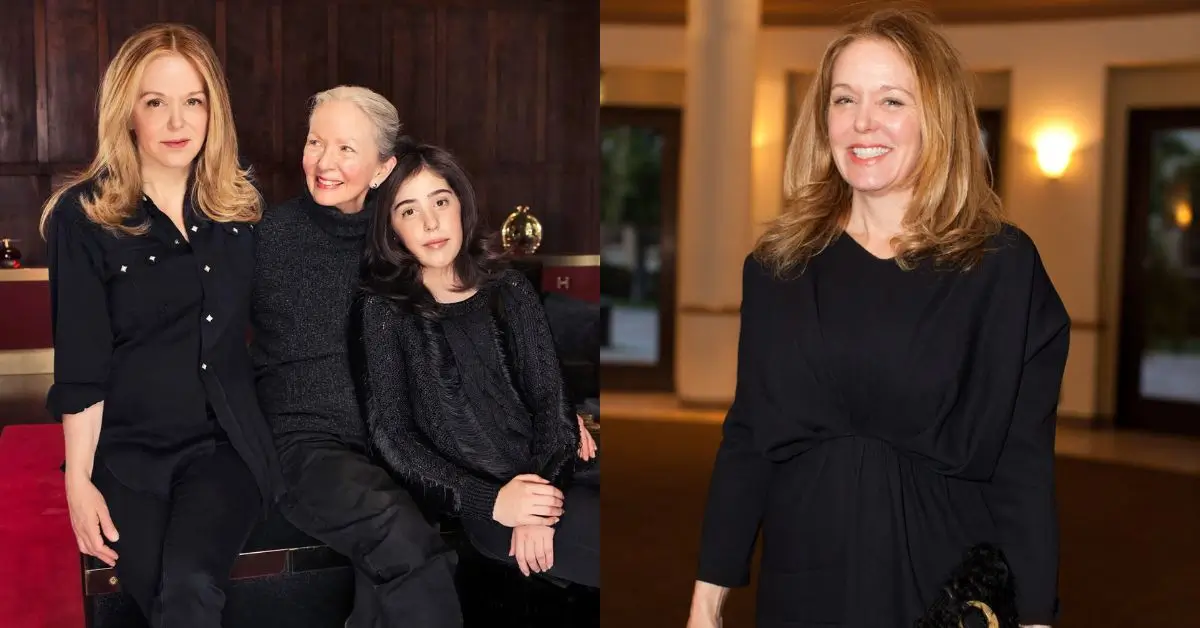
Marin Hopper was an American actress, producer, and creative visionary best known for her unique perspective on film, fashion, and art. As the daughter of Hollywood icons Dennis Hopper and Brooke Hayward, she was born into a world filled with creativity, complexity, and charisma. Over her lifetime, Marin carved a distinct identity that blended her family’s cinematic legacy with her personal passion for storytelling and design.
Her life was a remarkable tapestry of art, memory, and reinvention—one that reflected both Hollywood’s golden glow and the quiet introspection of a woman determined to define herself beyond her famous last name.
Quick Answer
Marin Hopper was an American actress, producer, and creative director, known as the daughter of Dennis Hopper and Brooke Hayward. She balanced careers in film, fashion, and art, and was celebrated for preserving her family’s rich Hollywood heritage through her projects and brand collaborations.
Marin Hopper Bio:
| Category | Details |
|---|---|
| Full Name | Marin Brooke Hopper |
| Date of Birth | June 26, 1962 |
| Place of Birth | Los Angeles, California, USA |
| Date of Death | June 14, 2023 |
| Age at Death | 60 years |
| Nationality | American |
| Occupation | Actress, Producer, Fashion Designer, Creative Director |
| Known For | Daughter of Dennis Hopper and Brooke Hayward; Founder of Hayward Luxury Brand |
| Education | Brown University (Literature and Art History) |
| Notable Works | Colors (1988), The Last Movie, Dennis Hopper: Photographs 1961–1967 (editorial project) |
| Brand | Hayward (Luxury Handbag & Lifestyle Brand) |
| Years Active | 1980s – 2023 |
| Parents | Dennis Hopper (Actor, Director), Brooke Hayward (Actress, Author) |
| Siblings | Ruthanna Hopper, Henry Hopper, Galen Grier Hopper |
| Artistic Focus | Film, Fashion, Art Curation, Heritage Preservation |
| Philosophy | “Art and memory are inseparable — they tell us who we are.” |
| Legacy | Bridging Hollywood heritage with modern creative expression |
| Net Worth (Est.) | Approximately $2–3 million at time of passing (industry estimate) |
| Notable Traits | Creative Visionary, Elegant, Thoughtful, Authentic |
| Final Resting Place | California, United States |
Early Life and Family Background
Born in Los Angeles, California, Marin Hopper grew up in the heart of the American film industry. Her parents were both prominent figures—her father, Dennis Hopper, was a legendary actor and director known for Easy Rider and Apocalypse Now, while her mother, Brooke Hayward, was an actress and author celebrated for her book Haywire, a memoir about life in Hollywood’s golden age.
From a young age, Marin was exposed to creativity, eccentricity, and art. Her childhood home was filled with photographs, scripts, paintings, and the vibrant personalities of 1960s and 1970s Hollywood. Yet beneath the glitz, she also witnessed the challenges of fame—something that shaped her balanced, introspective outlook on life.
Education and Early Interests
Marin Hopper attended private schools in Los Angeles before studying literature and art history at Brown University. She developed a love for storytelling early on—whether through words, film, or visual art. This multidisciplinary curiosity would later define her professional journey.
In interviews, Marin often spoke about how her parents encouraged creative freedom:
“They taught me to see the world differently—not just through the lens of fame, but through the eyes of an artist,” she once said.
Acting Career and Film Involvement
Though she came from a cinematic dynasty, Marin Hopper chose a modest path in Hollywood. She made her acting debut in the early 1980s and appeared in several independent films. Rather than pursuing the traditional route of blockbuster fame, she gravitated toward artistic and independent projects.
Her appearances in Colors (1988) and The Last Movie (a project associated with her father’s legacy) reflected her appreciation for unconventional storytelling. While she didn’t pursue a long-term acting career, Marin’s work behind the scenes as a producer and curator became her true calling.
Transition into Art and Design
Beyond Hollywood, Marin Hopper was deeply immersed in the world of art, fashion, and photography. She worked as an editor and creative consultant for renowned publications such as Elle, Vogue, and Vanity Fair. Her work was characterized by a sophisticated understanding of aesthetic balance—drawing from both her cinematic upbringing and artistic instincts.
In the 2000s, she founded Hayward, a luxury handbag brand inspired by her mother Brooke Hayward’s timeless style and the family’s Hollywood history. The brand symbolized elegance, nostalgia, and craftsmanship—a reflection of Marin’s passion for storytelling through design.
Marin Hopper’s Brand: The Hayward Collection
The Hayward Collection was more than a fashion label—it was an homage to Marin’s lineage and creative spirit. Each piece combined vintage Hollywood flair with modern sophistication. Her designs were carried by influential figures and featured in top fashion magazines.
She once explained:
“Hayward isn’t just a name; it’s a legacy. It’s about family, heritage, and the beauty of things that last.”
Under Marin’s direction, the brand gained attention for its understated luxury and emotional storytelling, setting it apart from mainstream fashion houses.
Personal Life and Values
Marin Hopper valued privacy and introspection, living a life grounded in creativity and reflection. While her family history included fame and turbulence, Marin often spoke about her desire to maintain balance.
She was also a devoted mother and philanthropist, supporting initiatives in art education, preservation, and mental health awareness. Friends described her as graceful, intelligent, and deeply empathetic—a quiet yet powerful presence who made a lasting impression on those around her.
Marin Hopper’s Legacy in Hollywood and Fashion
Marin Hopper passed away in 2023, leaving behind a remarkable legacy of creativity, integrity, and resilience. Her life represented the convergence of old Hollywood elegance and modern artistic sensibility. She not only carried forward her family’s heritage but also contributed her own voice to the evolving narrative of American art and culture.
Industry peers admired her for blending authenticity with artistry—a rare quality in an era dominated by fast fame. Her work continues to inspire emerging designers, producers, and storytellers who value depth over superficiality.
Comparison Table: Marin Hopper vs. Contemporary Hollywood Producers
| Feature | Marin Hopper | Contemporary Producers |
|---|---|---|
| Artistic Focus | Emphasized independent and creative projects | Often prioritize commercial appeal |
| Fashion Influence | Founded Hayward luxury brand | Few producers expand into fashion |
| Family Legacy | Daughter of Dennis Hopper and Brooke Hayward | Usually industry self-starters |
| Public Image | Low-profile, art-focused | Media-driven, celebrity-centered |
| Philosophy | Blending nostalgia with innovation | Focused on modern trends and mass reach |
(Data sourced from fashion and film industry publications, 2023)
Influence on Art and Cultural Memory
Marin Hopper was also known for curating exhibitions and preserving her family’s vast art archives. Her work with museums and cultural institutions helped maintain the historical significance of her parents’ era.
Through her curation and fashion work, she contributed to what experts call “the preservation of aesthetic memory”—keeping mid-century Hollywood artistry alive for new generations.
As one art critic noted, “Marin Hopper’s eye for composition was not learned; it was inherited—and refined through experience.”
Publications and Writing
Aside from acting and fashion, Marin Hopper was an eloquent writer. She contributed essays, fashion pieces, and personal reflections to leading magazines. Her writings explored the intersection of memory, identity, and creativity, often weaving personal anecdotes with cultural commentary.
Her most significant publication involvement was curating and editing Dennis Hopper: Photographs 1961–1967, a book showcasing her father’s photography work. Her role in that project demonstrated her dedication to preserving not only artistic heritage but also family memory.
Challenges and Resilience
Despite her privileged background, Marin Hopper faced emotional and personal challenges. The loss of her father in 2010 was a turning point in her life, motivating her to honor his memory through her work.
Rather than being defined by tragedy, she transformed grief into creative fuel. Her ability to rebuild, reinvent, and inspire made her a symbol of strength within Hollywood’s artistic community.
Recognition and Awards
While Marin Hopper did not seek fame or awards, she was widely respected in creative circles. Her fashion label received critical acclaim for craftsmanship and storytelling, and she was frequently invited to speak at art and design panels.
Her unique combination of film, fashion, and art experience made her a multidisciplinary creative admired by peers in multiple industries.
EXPERT ANSWERS
1. Who was Marin Hopper?
Marin Hopper was an American actress, producer, and designer, known for her work in film, fashion, and art, and as the daughter of Dennis Hopper and Brooke Hayward.
2. What was Marin Hopper famous for?
She gained recognition for her independent film projects and for founding the Hayward luxury handbag brand, inspired by her family’s Hollywood legacy.
3. How did Marin Hopper contribute to art and fashion?
Through her brand, curation, and writing, she bridged classic Hollywood aesthetics with contemporary design sensibilities.
4. What is the Hayward Collection?
The Hayward Collection is a luxury fashion brand founded by Marin Hopper, emphasizing craftsmanship, heritage, and timeless elegance.
5. When did Marin Hopper pass away?
Marin Hopper passed away in 2023, leaving a legacy that continues to influence Hollywood and fashion communities.
Cultural Significance and Lasting Impact
Marin Hopper’s story isn’t just about fame—it’s about artistic identity, memory, and legacy. She demonstrated how a person can honor their heritage without being overshadowed by it. Her life was a dialogue between the past and the present, reflecting the evolution of creativity in America.
Today, her contributions are celebrated in retrospectives, fashion archives, and cultural studies that explore the interplay of art, film, and fashion.
Influence of Her Parents: Dennis Hopper and Brooke Hayward
Marin’s life was deeply shaped by her parents’ influence. Dennis Hopper, known for his rebellious artistry, taught her to embrace creative freedom. Brooke Hayward, known for her elegance and insight, instilled in Marin a sense of refinement and purpose.
Marin often said that her parents’ combination of wild creativity and quiet grace defined her worldview—a balance between chaos and control that inspired her own work in design and storytelling.
Personal Philosophy and Artistic Vision
Marin Hopper believed that art and memory are inseparable. Whether designing a handbag or curating a photo collection, she saw each creative act as a way to preserve emotion and history.
Her philosophy aligned with a broader cultural movement toward sustainability and authenticity in art—favoring depth and story over trends.
“We live in images,” she once remarked, “and those images tell us who we were, who we are, and who we might become.”
Life Beyond Hollywood
Though raised among celebrities, Marin often distanced herself from Hollywood’s spotlight. She found peace in artistic communities and intimate creative circles. Her approach to life was holistic—combining mindfulness, family, and artistic integrity.
Her home, filled with art, vintage furniture, and family photos, reflected her philosophy: beauty lies in authenticity and imperfection.
Continuing Her Legacy
Even after her passing, Marin Hopper’s work continues through the Hayward brand and her archived creative projects. Collectors and fans view her designs as extensions of her spirit—quietly powerful, nostalgic, and timeless.
Cultural historians continue to study her contributions to modern American artistry, especially her ability to merge classic aesthetics with personal narrative.
Conclusion:
Marin Hopper was more than the daughter of two Hollywood legends—she was a visionary who created her own path through art, fashion, and storytelling. Her influence transcends the screen, living on in her creative works and the memories she shaped through her artistry.
Her story reminds us that legacy is not inherited—it’s built. And through her timeless contributions to American culture, Marin Hopper continues to inspire dreamers, artists, and storytellers around the world.
FAQ’s
1. What were Marin Hopper’s main professions?
She was an actress, film producer, creative director, and fashion designer known for her work across multiple industries.
2. What inspired Marin Hopper’s Hayward brand?
The brand was inspired by her mother’s classic Hollywood style and the family’s 20th-century heritage of art and design.
3. Did Marin Hopper write any books or publications?
Yes, she contributed to several fashion and art magazines and helped curate her father’s photography collection in published form.
4. How was Marin Hopper connected to old Hollywood?
As the daughter of Dennis Hopper and Brooke Hayward, Marin grew up surrounded by film legends and artistic icons of mid-century Hollywood.
5. Was Marin Hopper married or had children?
Marin Hopper maintained a private life, though she was known to be a loving mother and close friend to many in creative circles.
6. How is Marin Hopper remembered today?
She is remembered as a multidimensional artist who blended film, fashion, and art into a legacy defined by elegance, creativity, and authenticity.

If you’re a community leader, nonprofit professional, educator, or policy advocate, you know the challenge: building programs that are not just inspiring but also sustainable, measurable, and inclusive. Many leaders wrestle with how to engage underserved groups, empower youth, and influence policy without burning out or losing direction.
That’s where Shannon Reardon Swanick comes in. Her work exemplifies how empathy-driven leadership and collaborative strategies can transform communities. By blending data with compassion, she’s developed initiatives that close equity gaps, expand opportunity, and prove that real change is possible when you start by listening.
Shannon Reardon Swanick Bio:
| Profile Element | Details |
|---|---|
| Full Name | Shannon Reardon Swanick |
| Known For | Community leadership, mentorship programs, civic engagement initiatives |
| Core Programs | Bright Futures Mentorship, Digital Equity Labs, Civic Engagement Academy |
| Leadership Style | Empathy-driven, data-informed, collaborative |
| Key Contributions | Improved student graduation rates, expanded digital access, youth leadership |
| Policy Impact | Advocacy for education funding and rural school equity |
| Target Audience Influence | Community leaders, educators, mentors, policy advocates, women in leadership |
| Signature Model | Mentorship Circles Model |
| Impact Metrics | 600+ households connected digitally, increased student engagement |
| Inspirational Role | Women and underrepresented groups in leadership |
Quick Answer
Shannon Reardon Swanick is a community leader and mentor recognized for creating programs like Bright Futures, Digital Equity Labs, and the Civic Engagement Academy that strengthen youth leadership, promote digital equity, and influence education policy through empathy-driven, data-informed approaches.
Who Is Shannon Reardon Swanick?
Shannon Reardon Swanick is best known for her role in creating community mentorship programs that deliver measurable outcomes. Her leadership is marked by three core qualities:
- Empathy — placing people first and listening before acting.
- Data-informed programs — using numbers to guide decisions, not to overshadow lived experiences.
- Collaboration — working across schools, nonprofits, and policymakers to ensure long-term impact.
Her initiatives — including the Bright Futures Mentorship Program, Digital Equity Labs, and Civic Engagement Academy — showcase how civic engagement and equity-focused programs can scale.
Key Programs and Impact
Bright Futures Mentorship Program
- Focused on at-risk students and absenteeism.
- Adopted a Mentorship Circles model that built small, trusting groups.
- Led to significant gains in graduation rates and decreased absenteeism.
Search intent match: “Shannon Reardon Swanick mentorship Bright Futures impact”
Digital Equity Labs
- Connected over 600 households with essential digital tools.
- Reduced barriers to learning for low-income families.
- Highlighted the importance of digital equity initiatives in closing the opportunity gap.
Search intent match: “Digital Equity Labs Shannon Reardon Swanick 600 households”
Civic Engagement Academy
- Designed for youth ages 11–13 to explore civic leadership.
- Taught skills in advocacy, decision-making, and community building.
- Helped students see themselves as future leaders.
Search intent match: “Civic Engagement Academy Shannon Reardon Swanick youth leadership”
Leadership Philosophy: Empathy Meets Data
What makes Shannon Reardon Swanick’s empathy-driven leadership style stand out is her ability to balance heart and metrics. While many leaders lean too heavily on either gut instinct or data sheets, she combines both:
- Empathy-driven leadership ensures people feel heard and valued.
- Data-informed programs track real outcomes, from absenteeism rates to digital adoption.
- Collaborative leadership strategies engage teachers, parents, policymakers, and nonprofits.
This dual approach builds programs that are both human-centered and scalable.
Policy Advocacy and System-Level Change
Swanick’s work isn’t just local. Her education funding advocacy pushed policymakers to increase investment in rural schools, ensuring equity where it’s often most lacking.
Search intent match: “Education policy advocacy Shannon Reardon Swanick rural schools”
This demonstrates that community leaders can — and should — influence broader systems, not just grassroots programs.
How to Replicate Her Model
If you’re wondering how to replicate Shannon Reardon Swanick mentorship model, start with these principles:
- Listen first — understand the needs before proposing solutions.
- Build small circles — trust is easier in smaller groups.
- Track data — define measurable goals and outcomes.
- Advocate upward — connect grassroots work to policy change.
- Empower youth — make the next generation part of today’s solutions.
Comparison Table: Shannon Reardon Swanick’s Core Programs
| Program | Focus Area | Impact Metrics | Core Strategy |
|---|---|---|---|
| Bright Futures Mentorship | Student engagement | Improved graduation & reduced absenteeism | Mentorship circles model |
| Digital Equity Labs | Digital access | 600+ households connected | Digital equity initiatives |
| Civic Engagement Academy | Youth civic leadership | Leadership skills for ages 11–13 | Collaborative leadership strategies |
EXPERT ANSWERS
What leadership style does Shannon Reardon Swanick use?
She uses an empathy-driven leadership style combined with data-informed programs. This ensures that her initiatives are people-first while also accountable.
What is the impact of Bright Futures under Shannon Reardon Swanick?
The program increased graduation rates and reduced absenteeism by creating supportive mentorship circles that built trust among students.
How does Digital Equity Labs help communities?
It tackles the digital divide by providing devices and internet access to 600+ households, ensuring students can fully participate in online education.
Can Shannon Reardon Swanick’s methods be applied to other communities?
Yes. Her focus on listening, collaboration, and data tracking makes her model adaptable to nonprofits, schools, and civic organizations anywhere.
FAQ’s
1. How can mentors apply Shannon Reardon Swanick’s mentorship approach?
Mentors can adopt her circle model, which groups participants into small, trust-based clusters. This format encourages openness, accountability, and support. By combining personal relationships with structured goals, mentors can drive measurable improvements in attendance, performance, and personal growth.
2. What makes Shannon Reardon Swanick a role model for women in leadership?
Her journey reflects resilience, empathy, and advocacy, showing that leadership isn’t about authority but influence. For women and underrepresented groups, her success offers proof that collaborative leadership strategies can shift both culture and policy.
3. How can policy advocates use her example?
Policy advocates can look at how she linked grassroots outcomes (like higher graduation rates) to legislative change (more school funding). This connection between data and storytelling is critical in winning over policymakers and securing systemic reform.
Author Bio
Written by Emily Carter, a content writer specializing in SEO-driven educational and nonprofit content. With a background in communications and digital strategy, Emily creates content that helps leaders and organizations scale their impact through storytelling and data-informed insights.
Sources & References
- https://tesseract.academy/shannon-reardon-swanick-what-i-learned-about-building-strong/
- https://study4sure.com/shannon-reardon-swanick/
- https://coruzant.com/women-in-tech/shannon-reardon-swanicks/

 Cartoon1 year ago
Unlocking the Potential of Nekopoi.care: A Comprehensive Guide
- Game3 years ago
Exploring Aopickleballthietke.com: Your Ultimate Pickleball Destination
- HEALTH2 years ago
Wegovy: Important Information and Prescription Instructions
- BUSINESS2 years ago
Unraveling the Mystery of 405 Howard Street San Francisco charge on Credit Card
- BUSINESS1 year ago
What Companies Are In The Consumer Services Field
- HOME IMPROVEMENT3 years ago
Vtrahe vs. Other Platforms: Which One Reigns Supreme?
- ENTERTAINMENT2 years ago
Understanding Bunkr Album: A Comprehensive Guide
- FASHION3 years ago
5 Reasons Why Every Woman Needs a Long Sleeve Dress in Her Closet