
TECHNOLOGY
The Surprising Role of Mobile Apps in Saving Traditional Businesses

Part 1: The Introduction to a New Reality
Suppose you had asked me ten years ago how I thought mobile apps would reshape traditional businesses. In that case, I might have mumbled something about convenience and innovation and perhaps hinted at a brighter future for technology. But what’s happened in the last decade—particularly over the last five years—has been nothing short of transformative. And no, I’m not talking about the cool “new kid on the block” app trends or how everyone is obsessed with fitness trackers. I’m talking about how mobile apps, in many cases, have saved traditional businesses from sinking.
In this article, we’ll dive into real stories, backed by solid data, that show how mobile apps have modernized and salvaged brick-and-mortar businesses, restaurants, and even family-owned shops that have been around for generations. As someone at the helm of a company creating apps for nearly two decades, I’ve had a front-row seat to this quiet revolution.
We’ll cover the good, the bad, and the downright ugly aspects of technology adoption. So buckle up because what you’re about to read may surprise you.
Part 2: The Digital Lifeline in a Time of Crisis
Let’s address the elephant in the room: the COVID-19 pandemic. It disrupted every sector imaginable, forcing businesses to rethink their models overnight. It was a punch to the gut for traditional businesses that relied on foot traffic. But here’s the thing: businesses with mobile apps adapted much faster. And that’s not just my opinion—it’s backed by some cold, hard numbers.
A study by Statista reported that mobile e-commerce sales skyrocketed by over 30% globally during the pandemic, with app usage increasing by an incredible 40%. That’s no small jump. Imagine being a restaurant owner who could no longer serve customers inside. Instead of locking your doors, your app is pushing out delivery orders like there’s no tomorrow. Apps weren’t just an option—they became a lifeline.
In fact, a local café here in Charlotte that had always prided itself on being “tech-free” did a complete 180° during the pandemic. In less than three weeks, they developed a mobile app to facilitate takeout orders, and it kept them afloat when others went under.
Mobile Apps Aren’t Just for the Big Players
It’s easy to assume that mobile apps are only for the big shots—the Starbucks and Walmarts of the world. But here’s a fact that may shock you: according to Business of Apps, 42% of small businesses had a mobile app by 2022, which continues to climb. Whether it’s a mom-and-pop hardware store or a neighborhood gym, businesses that never thought they needed an app fully embrace it.
That’s where we at Above Bits come in. We’ve worked with businesses across various sectors, helping them understand that mobile apps are no longer just a luxury but a necessity. And the results speak for themselves. Some of our most satisfying work has come from helping small businesses enter the app market, creating custom solutions that are scalable, user-friendly, and, yes, surprisingly affordable.
Part 3: The Benefits (and the Downsides) of Mobile App Adoption
You’re probably thinking, “Well, all of this sounds great, but what’s the catch?” Mobile apps have benefits and downsides like any technology, and it’s crucial to consider both.
The Benefits: Convenience, Engagement, and Revenue
Let’s start with the positives because they are significant.
- Convenience for Customers: Mobile apps offer unparalleled convenience. Whether your customer wants to check your product catalog, place an order, or track delivery, they can do it all in the palm of their hand. For businesses, this has translated to higher engagement rates. According to a report by BuildFire, 70% of smartphone users use apps for shopping, and 62% return to the same app to make future purchases.
- Direct Communication and Engagement: Push notifications are gold. Imagine being able to send a personalized message to your customers’ phones, reminding them of a sale or a new product launch. This kind of direct engagement simply isn’t possible with a website alone. And statistically speaking, push notifications boost user engagement by 88%, according to Leanplum, a marketing automation platform.
- Increased Revenue: If mobile apps are just an expense, think again. Businesses that adopt apps often see a significant return on investment. One global case study involves Domino’s Pizza, which reported that more than 75% of its sales now come through online channels, with half of that from its mobile app alone. Apps streamline processes, improve customer satisfaction, and lead to higher revenue.

The Downsides: Costs, Maintenance, and Compatibility Issues
But it’s not all roses. As with any technology, there are some notable downsides, and you’ll want to be aware of them before diving headfirst into app development.
- Development and Maintenance Costs: Building a mobile app isn’t cheap. While platforms like Shopify or WooCommerce offer easy-to-deploy e-commerce solutions, custom mobile app development often involves a much larger investment. According to Clutch, the average cost to develop a small business app ranges from $30,000 to $50,000. That does not include ongoing maintenance, essential to keep the app functioning and secure.
- Frequent Updates and Compatibility Issues: Another complaint from businesses that dive into mobile apps is the need for frequent updates. Operating systems like iOS and Android are constantly changing, and your app needs to evolve alongside them. Failure to do so can result in compatibility issues, causing crashes or poor performance. And let’s be honest: customers won’t stick around if your app is buggy.
- Security Concerns: Data security is a huge issue, particularly when apps collect personal or payment information. According to a report by Symantec, nearly 60% of mobile apps are vulnerable to security threats. Ensuring that your app complies with industry-standard security practices is crucial but also an additional cost that businesses need to consider.
Part 4: How Big Companies Have Leveraged Mobile Apps for Survival
Now, let’s talk about the big boys—the companies that have not only thrived but dominated by utilizing mobile apps. One of the most compelling examples is McDonald’s. During the pandemic, McDonald’s saw a massive shift in customers’ engagement with their brand. The company’s mobile app became a primary ordering platform, and according to their financial reports, app usage skyrocketed by 50%. This mobile-first approach helped McDonald’s recover from the pandemic-induced downturn faster than anticipated.
Another interesting case study comes from Nike. During a time when physical retail stores were closing, Nike doubled down on its app strategy. They introduced personalized training programs, augmented reality features, and mobile-exclusive deals. The result? A 35% increase in digital sales, as reported in Nike’s 2020 earnings call.
These examples prove that even for the biggest companies, mobile apps are not just tools of convenience—they’re strategic assets.
Part 5: The Future of Mobile Apps for Traditional Businesses
As we look to the future, the role of mobile apps in traditional business models will only continue to expand. We’ve already seen how augmented reality (AR) features are being incorporated into apps, from makeup trials to furniture placement. Shopify, one of the most popular e-commerce platforms, has invested heavily in AR, allowing customers to visualize products in their homes before purchasing.
Then there’s machine learning and artificial intelligence (AI), which are already revolutionizing how businesses interact with customers through apps. Take Amazon’s Alexa, for example. Businesses can now provide personalized shopping experiences through AI-driven apps, making recommendations based on previous purchases and browsing behavior. According to a study by Grand View Research, the AI market is expected to grow to $733.7 billion by 2027, with a large portion of that growth attributed to mobile applications.
Part 6: Overcoming Common Mobile App Challenges
Despite all the impressive advancements, traditional businesses face hurdles when implementing mobile apps. One of the key complaints I’ve heard over the years from clients is that maintaining and upgrading a mobile app can feel like trying to keep up with a constantly moving target.
Compatibility Across Devices
Let’s talk about compatibility issues. With Android holding about 71% of the global market share and iOS coming in at 28%, it’s no secret that building an app that works seamlessly on both platforms is tricky. Various devices, screen sizes, and OS versions can make testing and debugging a nightmare. One of the largest complaints we hear is about inconsistent user experiences across different devices. An app that works flawlessly on an iPhone might have minor (or major) bugs on a budget Android phone.
But what’s worse than dealing with two different operating systems? Having to build separate native apps for each! According to research by GoodFirms, cross-platform apps take 30-40% less time to develop than native ones, making frameworks like React Native and Flutter highly appealing. However, cross-platform solutions have limitations—especially regarding performance and complex features like augmented reality (AR) or advanced gaming elements.
The Hidden Costs of Maintenance
Another hurdle is ongoing maintenance costs. You may think that once you’ve built the app, most expenses will be behind you, but that’s far from the truth. As mentioned earlier, operating systems are frequently updated, and users expect apps to be updated accordingly. The cost of maintaining an app can range from 15% to 20% of the original development cost per year, according to a report by ThinkMobiles.
Let’s not forget about compliance. In 2021, Apple updated its app privacy policies, forcing developers to disclose exactly what data their apps were collecting and how it was being used. This seemingly small change caused a flurry of updates across the app ecosystem as developers scrambled to ensure compliance. This is just one example of how platform policies can lead to unexpected costs.
User Expectations Are Sky-High
Today’s users don’t just want a functional app—they expect one that looks sleek, responds quickly, and offers personalized experiences. Appdome reported that 72% of app users uninstall an app due to performance issues. That’s a staggering number! If your app is slow, buggy, or offers a less-than-stellar experience, users won’t hesitate to delete it and move on to a competitor.
This is one reason why we focus heavily on testing at Above Bits. We believe user experience (UX) is key to an app’s success, so our team thoroughly tests every app on multiple devices before launch. We’ve seen first-hand how performance improvements can reduce bounce rates and increase customer retention, especially for small businesses trying to compete with larger, more established brands.

Part 7: Global Trends Shaping the Future of Mobile Apps
So, where are we heading with mobile apps? Let’s zoom out and look at some global trends. As the world shifts more toward a digital-first economy, mobile apps will continue to be a key pillar for businesses, large and small.
The Rise of 5G
One of the most significant technological shifts is the global rollout of 5G. By 2025, it’s estimated that 1.4 billion devices will be connected to 5G networks. What does that mean for mobile apps? It means faster speeds, lower latency, and the potential for more complex app functionalities.
With 5G, we’ll likely see an explosion in mobile app development around AR, VR, and real-time video streaming. This opens new doors for traditional businesses looking to innovate. Imagine a local furniture store that allows customers to visualize new products in their homes using AR or a small fitness studio offering live, high-definition video classes straight through their app.
Mobile Commerce on the Rise
Mobile commerce, or m-commerce, is another trend here to stay. In fact, by 2024, mobile commerce is expected to account for nearly 73% of all e-commerce sales globally. That’s huge! For traditional businesses, having a mobile app is no longer optional—it’s essential. We’re seeing increasing businesses adopting mobile payment platforms, in-app shopping, and personalized user experiences to drive sales.
Even major retailers like Walmart and Target have recognized the importance of mobile commerce. Both companies have invested heavily in their apps, and it’s paying off. Walmart reported that mobile app sales now account for 40% of its digital revenue, while Target saw a 200% increase in app usage during the pandemic.
Part 8: The Role of AI and Machine Learning in Mobile Apps
Artificial intelligence (AI) and machine learning (ML) are reshaping mobile apps in ways we couldn’t have imagined just a few years ago. From personalized recommendations to predictive analytics, AI-powered apps transform how businesses interact with customers.
Take Spotify, for example. Their app uses machine learning algorithms to offer personalized playlists based on users’ listening habits. This level of personalization has kept users engaged, with Spotify boasting over 489 million monthly active users as of 2023. Imagine how traditional businesses could leverage similar AI-driven technologies to provide hyper-personalized customer experiences.
At Above Bits, we’ve integrated AI and ML into several mobile app projects, helping businesses gain deeper insights into user behavior and improve engagement. These technologies can help businesses not only meet but exceed customer expectations.
Part 9: When Mobile Apps Fall Short – The Downsides of App-Only Strategies
It’s important to recognize that while mobile apps can be incredibly powerful, they’re not a silver bullet. Some businesses have fallen into the trap of focusing too heavily on their app at the expense of other channels. Relying solely on a mobile app can limit your reach, especially if you ignore web-based or physical engagement opportunities.
In 2019, Starbucks faced backlash for encouraging customers to use their app exclusively for rewards and orders, neglecting those who preferred the website or in-person orders. As a result, user satisfaction declined, and the company quickly had to pivot, reintroducing more flexible options.
It’s a reminder that while mobile apps are a critical piece of the puzzle, they should complement—not replace—your overall customer engagement strategy.
Part 10: The Call to Action – Embrace the Future with Above Bits
If you’ve made it this far, it’s clear that mobile apps play a crucial role in the survival and success of traditional businesses. But navigating the complexities of app development—balancing cost, functionality, user experience, and future-proofing—isn’t something you should tackle alone.
At Above Bits, we’ve spent years helping businesses embrace digital transformation, one mobile app at a time. Whether you’re a small shop looking to expand your customer base or a traditional business needing to innovate, we have the expertise and technical know-how to bring your vision to life.
Ready to take your business to the next level? Visit our website for more information and affordable mobile development services.

In today’s world of digital broadcasting, securing content has become more critical than ever. Whether you’re a satellite operator, IPTV provider, or a tech enthusiast exploring encrypted channels, understanding conditional access modules (CAMs) is essential. These small yet powerful devices ensure that only authorized users can access premium content, protecting both revenue streams and digital rights.
In this guide, we’ll explore what a conditional access module is, how it works, and practical tips for setup, troubleshooting, and choosing the right module for your needs.
What Is a Conditional Access Module?
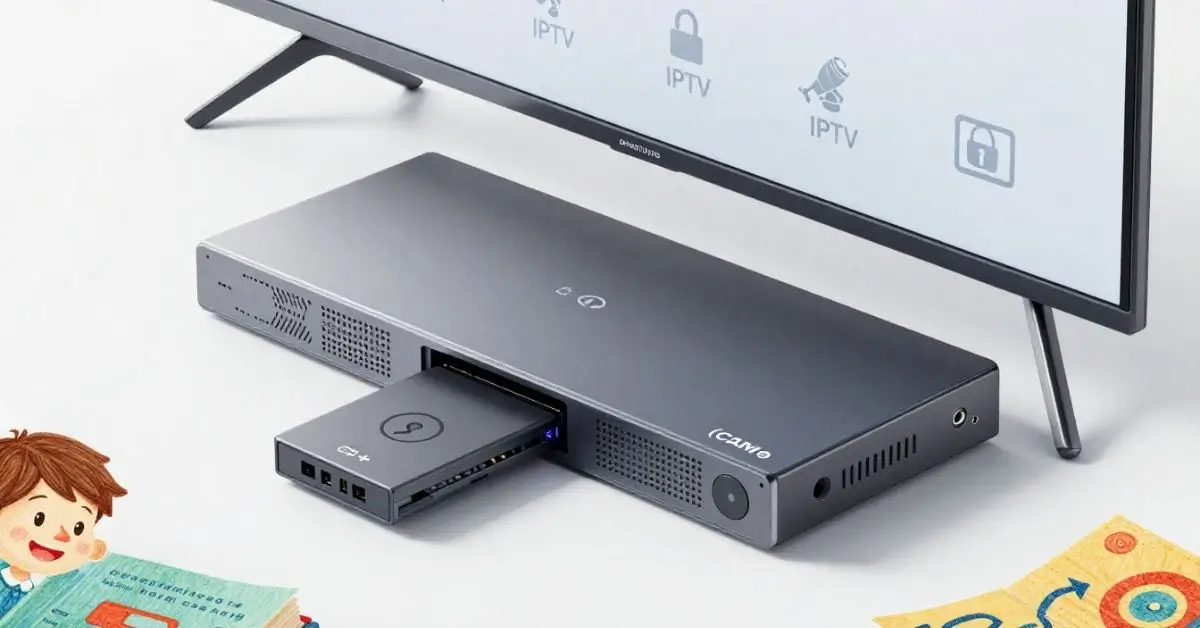
A conditional access module (CAM) is a device used in digital TV systems to control access to encrypted content. CAMs work with TV smart cards to authorize viewers, ensuring that only subscribers can access paid channels.
These modules are essential for:
- Satellite and cable operators – to prevent unauthorized viewing.
- IPTV providers – to manage subscriptions efficiently.
- End-users and tech enthusiasts – to securely access encrypted channels at home.
Essentially, a CAM acts as a key to unlock content while keeping it safe from piracy.
How Does a Conditional Access Module Work?
Understanding the inner workings of a CAM is crucial for broadcast professionals and IT specialists. Here’s a simplified breakdown:
- Encryption of Content – The TV or IPTV provider encrypts the channel stream.
- Smart Card Authentication – The subscriber’s smart card, inserted into the CAM, verifies authorization.
- Decryption – The CAM decrypts the signal, allowing the set-top box or TV to display the channel.
By combining DVB conditional access technology and digital TV encryption, CAMs provide a reliable and secure pay TV access system.
Choosing the Best CAM Module for Your Needs
Whether you’re buying for commercial use or home setup, several factors matter:
| Factor | What to Consider |
|---|---|
| Compatibility | Ensure the CAM works with your set-top box or TV model. |
| Supported Encryption | Look for modules supporting multiple encryption standards for future-proofing. |
| Device Type | Choose between satellite TV module or IPTV conditional access depending on your service. |
| Purchase Source | Buy only from authorized vendors to avoid counterfeit devices. |
Tip: Always verify CAM module reviews and compatibility charts before purchase.
Setting Up a Conditional Access Module
Setting up a CAM is usually straightforward but can vary depending on your device. A typical conditional access module setup guide involves:
- Inserting the CAM into the CI (Common Interface) slot of your TV or set-top box.
- Inserting the TV smart card into the CAM.
- Following the on-screen instructions for activation.
- Testing encrypted channels to ensure proper decryption.
If done correctly, you’ll enjoy seamless access to premium content without security issues.
Troubleshooting Common CAM Issues
Even reliable modules sometimes run into issues. Here’s how to resolve common problems:
- No signal or blank screen – Check if the CAM and smart card are properly inserted.
- Compatibility errors – Verify your set-top box or TV supports the CAM standard.
- Encryption errors – Ensure your subscription is active and that the CAM supports the channel’s encryption.
- Hardware failure – If issues persist, contact the vendor for replacement or technical support.
These steps can help maintain smooth and secure digital TV security using CAM modules.
CAM vs Smart Card: Understanding the Difference
Many users confuse CAMs and smart cards. Here’s a quick distinction:
- CAM (Conditional Access Module) – The hardware device that decrypts encrypted content.
- Smart Card – The authentication tool inserted into the CAM to authorize access.
Both work together to secure encrypted channels efficiently, making this combination essential for broadcasters and subscribers alike.
FAQ`S
Can I buy a conditional access module online?
Yes, CAMs are available through authorized online vendors. Always check compatibility with your device before purchasing.
Is a CAM module compatible with all set-top boxes?
No, compatibility depends on the TV or set-top box model. Always refer to the manufacturer’s guide.
How do I use a CAM for IPTV?
Insert the module into your IPTV-compatible box, insert the smart card, and follow the activation instructions.
What is the best CAM module for satellite TV?
The best module depends on your satellite provider and supported encryption standards. Look for modules supporting multiple standards for flexibility.
How do I troubleshoot CAM errors?
Check card insertion, device compatibility, and subscription validity. If problems persist, contact technical support.
Final thought
A conditional access module is a vital tool for anyone involved in digital broadcasting or interested in secure content access. From enabling satellite TV modules to ensuring IPTV conditional access, CAMs are central to protecting premium channels and managing subscriptions effectively. Whether you are a professional, a hobbyist, or a learner, understanding CAMs will help you maximize the value of your digital TV experience.
Author Bio:
Johnathan Smith is a content writer with over 5 years of experience covering technology and broadcasting topics. He holds a Bachelor’s degree in Information Technology and specializes in creating in-depth, actionable guides for industry professionals and tech enthusiasts.

If you’ve ever wanted to listen to a YouTube video without staying online, you’re not alone. Many people search for tools that turn videos into audio so they can learn, relax, or multitask more easily. That’s usually where ytmp3 plus comes into the conversation.
What Is YTMP3 Plus?
YTMP3 Plus is commonly described as an online YouTube to MP3 converter. It allows users to extract audio from online videos and save it in MP3 format for offline listening.
People often find it while searching for:
- A free YouTube to MP3 tool
- A quick mp3 video converter online
- A browser-based YouTube audio downloader
Unlike desktop software, tools like the ytmp3 plus website usually run directly in a web browser, which is why they appeal to casual users and students.
Why Do People Use YTMP3 Plus?
Most users aren’t trying to do anything complicated. They simply want audio access without buffering or video playback.
Common use cases include:
- Listening to educational content while commuting
- Saving long lectures as audio files
- Turning interviews into podcast-style audio
- Reducing data usage by avoiding video streaming
This practical demand explains why searches like youtube to mp3 plus remain popular year after year.
How YTMP3 Plus Converts YouTube Videos
At a high level, tools like ytmp3 plus converter work by:
- Reading publicly available video streams
- Extracting the audio track
- Encoding it into MP3 format
No installation is typically required, which is why many people prefer an online YouTube MP3 converter instead of apps or plugins.
That said, performance and reliability can vary depending on browser, device, and the site’s current status.
Does YTMP3 Plus Work in 2025?
This is one of the most searched questions—and the answer isn’t always simple.
Some users report that ytmp3 plus works in 2025, while others experience:
- Pages not loading
- Conversion failures
- Temporary shutdowns or domain changes
This inconsistency is common across many YouTube to MP3 downloader tools, especially browser-based ones. Sites may work one week and disappear the next, which is why people often look for alternatives.
Is YTMP3 Plus Safe to Use?
Safety is a top concern, and rightly so.
When people ask “is ytmp3 plus safe to use”, they’re usually worried about:
- Malware or hidden downloads
- Aggressive ads or redirects
- Fake “download” buttons
A general ytmp3 plus virus or malware check mindset is smart. While not every converter is dangerous, browser-based tools often rely on ads, which can increase risk if you’re not cautious.
Basic safety tips include:
- Avoid clicking pop-ups or notifications
- Never install unknown browser extensions
- Use an up-to-date browser with security protection
Is YTMP3 Plus Real or Fake?
This question pops up because there is no single official version.
When people search “ytmp3 plus real or fake”, they’re often landing on different sites using similar names. Some may be legitimate tools, while others exist only to generate ad traffic.
That’s why reviews and comparisons matter more than branding alone. A ytmp3 plus review should focus on usability, safety signals, and transparency—not just promises.
Is Using YTMP3 Plus Legal or Illegal?
Legality depends on how and what you use it for.
In general:
- Downloading content you don’t own or have permission to use may violate platform terms
- Laws differ by country and usage context
- Educational or personal use does not automatically make it legal
This is why many articles discuss “ytmp3 plus legal or illegal” instead of giving a yes-or-no answer. Responsible content creators always recommend respecting copyright rules and local laws.
YTMP3 Plus MP3 Quality Review
Audio quality is another common concern.
Most YouTube to MP3 tools offer standard MP3 bitrates, which are fine for:
- Spoken content
- Lectures
- Casual music listening
However, ytmp3 plus MP3 quality depends heavily on:
- The original video quality
- The converter’s encoding method
- Server load at the time of conversion
It’s usually not ideal for professional audio work, but acceptable for everyday use.
Can YTMP3 Plus Download Long Videos?
Users frequently ask whether ytmp3 plus can download long videos.
In practice:
- Some converters limit video length
- Longer files may fail or take longer to process
- Success varies by server stability
This limitation is one reason people look for a reliable ytmp3 alternative when working with extended lectures or podcasts.
YTMP3 Plus vs Other YouTube Converters
When comparing ytmp3 plus vs other YouTube converters, consider these factors:
| Feature | YTMP3 Plus | Other Tools |
|---|---|---|
| Browser-based | Yes | Yes / No |
| Installation required | No | Sometimes |
| Reliability | Inconsistent | Varies |
| Safety transparency | Limited | Depends on provider |
| Long-term availability | Unstable | Mixed |
No single tool is perfect. Users often switch between options depending on what’s working at the moment.
Best YTMP3 Plus Alternatives
- Clear branding and support pages
- Fewer intrusive ads
- Better consistency over time
Choosing a reputable YouTube audio downloader with clear policies is often safer than relying on unnamed clones.
FAQ`s
What is YTMP3 Plus used for?
It’s mainly used to convert online videos into MP3 audio for offline listening.
Why it not working sometimes?
Downtime, browser issues, or site changes can cause conversion failures.
Is it safe without installing anything?
Not installing software reduces risk, but ads and redirects still require caution.
Does it work on mobile devices?
Some versions do, but performance varies by browser and device.
Is there a better alternative to YTMP3 Plus?
That depends on your needs. Many users rotate between multiple free tools for reliability.
Final Thoughts
YTMP3 Plus exists because people want flexibility—audio access without being tied to a screen. While it can be useful, it’s not always consistent, and safety depends largely on user awareness.
If you value reliability, transparency, and peace of mind, comparing multiple tools and staying informed is always the smarter choice.
Author Bio
James carter is an experienced content writer specializing in SEO, technology, and digital tools. He holds an academic background in information-focused studies and has years of experience creating clear, research-driven content for online audiences.

The Bugatti Bolide price has become a hot topic in the world of hypercars. This extraordinary machine pushes the boundaries of speed, design, and technology like no other. In this comprehensive article, we’ll dive deep into everything you need to know about the Bugatti Bolide price, its unique features, and how it compares to other hypercars on the market. From cost to performance metrics, we’ll explore what makes this vehicle a masterpiece worth every penny.
Understanding the Bugatti Bolide Price and What It Includes
The Bugatti Bolide price reflects the exceptional craftsmanship and engineering that goes into producing this ultra-lightweight, track-focused hypercar. Starting at a staggering $4.7 million, the Bolide is more than just a car; it’s a symbol of automotive innovation.
This price includes the bespoke engineering, cutting-edge aerodynamics, and a powerhouse 8.0-liter quad-turbocharged W16 engine delivering an astronomical 1,850 horsepower. But the cost also reflects Bugatti’s exclusive approach — every Bolide is custom-built with attention to detail that few manufacturers can match.
Why the Bugatti Bolide Price is Justified
Unmatched Performance and Engineering
The Bolide is designed to be the lightest Bugatti ever made, weighing only around 1,240 kilograms (about 2,733 pounds). This incredible weight reduction combined with the 1,850 hp engine translates into mind-blowing speed and agility on the track.
- Top Speed: Estimated to exceed 310 mph.
- 0-60 mph: In under 2.2 seconds.
- Aerodynamics: Enhanced to generate up to 1,800 kg of downforce.
Industry experts praise the Bolide for its aerodynamic mastery and raw power, justifying its premium pricing in the elite hypercar segment.
“Bugatti has engineered the Bolide as a pure track weapon, pushing the envelope in every aspect of automotive design,” says automotive engineer Dr. Markus Weidner.
Exclusivity and Limited Production
The Bugatti Bolide is not mass-produced. Only 40 units are planned for production worldwide, making the Bolide extremely rare. This exclusivity factor significantly impacts the Bugatti Bolide price.
Owners get a car that’s almost like a piece of rolling art, and the value is expected to appreciate over time, especially given Bugatti’s legacy and the hypercar’s pioneering technology.
Detailed Comparison: Bugatti Bolide Price vs Other Hypercars
| Feature | Bugatti Bolide | Ferrari SF90 Stradale | McLaren Speedtail | Koenigsegg Jesko | Porsche 918 Spyder |
|---|---|---|---|---|---|
| Starting Price | $4.7 million | $625,000 | $2.25 million | $3 million | $845,000 |
| Horsepower | 1,850 hp | 986 hp | 1,035 hp | 1,600 hp | 887 hp |
| Weight (kg) | 1,240 kg | 1,570 kg | 1,430 kg | 1,410 kg | 1,640 kg |
| 0-60 mph | ~2.2 seconds | 2.5 seconds | 2.9 seconds | 2.5 seconds | 2.2 seconds |
| Top Speed (mph) | 310+ mph | 211 mph | 250 mph | 300 mph | 214 mph |
| Aerodynamics & Downforce | Up to 1,800 kg downforce | Advanced active aero | Streamlined for top speed | Active aero system | Active aero system |
This comparison highlights why the Bugatti Bolide price sits at the pinnacle of the hypercar market. While competitors offer impressive performance, the Bolide’s combination of horsepower, weight, and aerodynamic engineering sets a new benchmark.
The Technology Behind the Bugatti Bolide Price
Aerodynamics and Materials
Bugatti’s use of advanced materials like carbon fiber and titanium contributes to the Bolide’s astonishing lightweight design. The car’s aerodynamic elements are designed using cutting-edge simulation software, ensuring maximum downforce and minimal drag.
Engine and Powertrain
At the heart of the Bolide is Bugatti’s legendary 8.0-liter W16 engine, significantly tuned to deliver the 1,850 hp mark. This power output is unprecedented and contributes heavily to the vehicle’s pricing due to the engineering and precision manufacturing involved.
The Buying Experience and What to Expect
Acquiring a Bugatti Bolide is more than a transaction — it’s an entry into a unique club of hypercar owners. Prospective buyers must go through a thorough selection process, including customization options to tailor the car to personal tastes.
The Bugatti Bolide price also includes:
- Personal consultations with Bugatti engineers and designers.
- Access to exclusive driving events and experiences.
- Comprehensive service and maintenance packages.
Bugatti Bolide Price: A Worthwhile Investment?
Given its extreme performance and rarity, the Bolide is considered an appreciating asset by many collectors. Hypercar values like this often increase over time, especially limited-run models with groundbreaking technology.
- Collector’s value: High, due to rarity and technological innovation.
- Performance advantage: Exceptional even among other super-limited hypercars.
- Brand prestige: Bugatti’s unmatched reputation for luxury and engineering.
Bugatti Bolide Price and Maintenance Costs
Maintenance for a car like the Bolide reflects its exclusive nature. While Bugatti offers comprehensive care packages, owners should expect:
- High costs for bespoke parts and labor.
- Specialized servicing requirements.
- Track-focused wear and tear due to extreme performance.
The Bugatti Bolide price is just the starting point; ownership involves significant ongoing investment, but with unmatched service quality.
How Does the Bugatti Bolide Price Compare to Other Hypercar Investments?
| Investment Aspect | Bugatti Bolide | Other Hypercars (Average) |
|---|---|---|
| Initial Purchase Cost | $4.7 million | $1 million – $3 million |
| Annual Maintenance | $150,000+ | $30,000 – $70,000 |
| Depreciation | Minimal (likely appreciation) | Moderate to high |
| Resale Value | Expected to increase | Variable |
| Insurance Premium | Very high | High |
This table further explains why the Bugatti Bolide price is a reflection of more than just the car itself—it represents an entire ecosystem of luxury, service, and exclusivity.
Environmental Considerations and Efficiency
While the Bolide prioritizes performance over environmental impact, Bugatti is increasingly mindful of sustainability. The Bolide is designed to optimize power-to-weight ratio efficiently, but given its massive horsepower, fuel consumption is understandably high.
Industry standards for hypercars typically accept these trade-offs in favor of ultimate performance. Bugatti’s future plans include hybrid and electric innovations, but the Bolide remains a raw, combustion-engine masterpiece.
Summary of the Bugatti Bolide Price
The Bugatti Bolide price might seem astronomical, but when viewed through the lens of cutting-edge technology, exclusivity, and peerless performance, it stands justified. This hypercar is not just about speed but represents the pinnacle of automotive engineering and luxury.
Conclusion:
The Bugatti Bolide price sets it apart in the elite hypercar market, combining unmatched power, ultra-lightweight construction, and exquisite craftsmanship. For enthusiasts and collectors, this car is an investment in automotive history and a thrilling machine designed to dominate the track.
If you want to experience the cutting edge of hypercar technology, the Bugatti Bolide is a masterpiece worth every dollar of its remarkable price.
FAQ’s
What is the exact Bugatti Bolide price?
The Bugatti Bolide price starts at approximately $4.7 million, reflecting its exclusive design and unmatched performance.
How many Bugatti Bolide cars will be produced?
Only 40 units of the Bugatti Bolide are planned for production, making it an extremely rare hypercar.
What kind of engine powers the Bugatti Bolide?
It is powered by an 8.0-liter quad-turbocharged W16 engine delivering around 1,850 horsepower.
How fast can the Bugatti Bolide go?
The Bolide is estimated to reach speeds of over 310 mph, with a 0-60 mph time of around 2.2 seconds.
Is the Bugatti Bolide price worth the maintenance cost?
While maintenance is expensive, the comprehensive care and exclusivity offered by Bugatti make it a valuable investment.
How does the Bugatti Bolide compare to other hypercars?
It stands out due to its extreme lightweight design, higher horsepower, and superior aerodynamics, justifying its premium price.

 Cartoon1 year ago
Unlocking the Potential of Nekopoi.care: A Comprehensive Guide
- Game3 years ago
Exploring Aopickleballthietke.com: Your Ultimate Pickleball Destination
- HEALTH2 years ago
Wegovy: Important Information and Prescription Instructions
- BUSINESS2 years ago
Unraveling the Mystery of 405 Howard Street San Francisco charge on Credit Card
- BUSINESS1 year ago
What Companies Are In The Consumer Services Field
- HOME IMPROVEMENT3 years ago
Vtrahe vs. Other Platforms: Which One Reigns Supreme?
- ENTERTAINMENT2 years ago
Understanding Bunkr Album: A Comprehensive Guide
- ENTERTAINMENT3 years ago
The Ultimate Guide to MP3Juices: Free Music Download