
FOOD
Annato: Everything Need to Know About this Natural Food Coloring

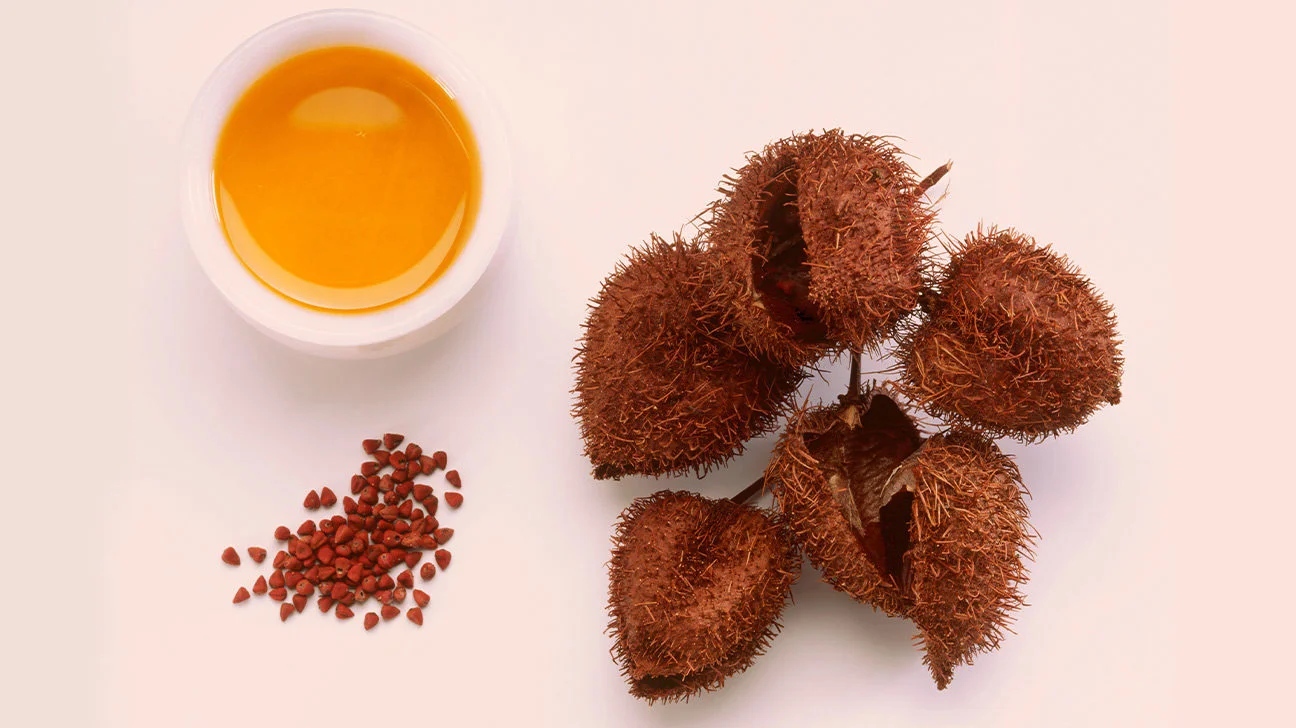
Are you curious about natural food colorings that not only add vibrancy to your dishes but also offer potential health benefits? Look no further than Annato! In this comprehensive guide, we’ll delve into everything you need to know about this unique and versatile ingredient. From its uses and effectiveness to any side effects or precautions you should be aware of, we’ve got you covered. So sit back, relax, and let’s explore the colorful world of Annato together!
Overview
Annatto, also known as achiote, is a natural food coloring derived from the seeds of the Annato tree. Its vibrant red-orange hue adds a pop of color to various dishes and culinary creations. Beyond its visual appeal, annatto boasts potential health benefits that make it more than just a pretty pigment.
Used for centuries in traditional cuisines across Latin America and beyond, Annato is prized for its ability to enhance the appearance and flavor of dishes. Whether you’re looking to add a rich golden tint to rice or give your cheese a warm hue, Annato can work its magic in the kitchen.
In addition to being used as a food coloring agent, annatto has been explored for its medicinal properties due to compounds like bixin and norbixin. This natural ingredient offers an intriguing blend of color and possible health perks worth discovering!
Uses & Effectiveness
Annato is a natural food coloring derived from the seeds of the Achiote tree. Its vibrant orange-red hue makes it a popular choice in various cuisines and cosmetic products. Besides its visual appeal, annatto has been used for centuries due to its potential health benefits.
In traditional medicine, Annato has been believed to possess antioxidant properties that may help protect cells from damage caused by free radicals. Some studies suggest that annatto extract could have anti-inflammatory effects, which may be beneficial for overall health.
Apart from its medicinal uses, Annato is commonly utilized in the food industry as a natural colorant for cheese, butter, snacks, and even cosmetics. Its versatility and bright coloring make it a preferred choice among manufacturers looking to avoid artificial additives.
While more research is needed to fully understand all of its potential uses and effectiveness, annatto continues to be an intriguing natural ingredient with promising benefits across various industries.
Side Effects
When it comes to annatto, it’s important to be aware of potential side effects that may arise. While generally considered safe for most people when consumed in normal food amounts, some individuals may experience allergic reactions to Annato.
Common side effects of annatto consumption can include skin rashes, itching, and swelling. In rare cases, more severe allergic reactions such as difficulty breathing or anaphylaxis may occur. If you notice any adverse symptoms after consuming products containing annatto, it’s essential to seek medical attention promptly.
Additionally, some individuals with certain health conditions or sensitivities may experience digestive issues like stomach upset or diarrhea after consuming Annato. It’s always a good idea to consult with a healthcare professional before incorporating new foods or supplements into your diet.
While the majority of people can enjoy the benefits of Annato without experiencing side effects, it’s crucial to listen to your body and monitor any potential reactions closely.
Special Precautions and Warnings
When it comes to using Annato as a natural food coloring, there are some special precautions and warnings to keep in mind. It is important to note that annatto may cause allergic reactions in some individuals, especially those who are sensitive to food dyes or additives. If you have a known allergy to annatto or related substances, it’s best to avoid products containing this ingredient.
Additionally, pregnant women and breastfeeding mothers should exercise caution when consuming products with Annato, as there is limited research on its safety during these stages. It’s always advisable to consult with a healthcare provider before incorporating new ingredients into your diet, especially if you have specific health concerns or conditions.
While annatto is generally considered safe for most people when used in moderate amounts, it’s still wise to practice moderation and be mindful of any potential adverse effects. If you experience any unusual symptoms after consuming products with Annato, discontinue use and seek medical advice promptly.
Interactions
Interactions with annatto are something to consider, especially if you are taking medications or have allergies. It’s always best to consult with your healthcare provider before incorporating annatto into your diet, especially if you have any existing health conditions.
Some medications may interact with compounds in annatto, potentially affecting how the medication works in your body. Be cautious if you are on any specific medications that could be impacted by consuming annatto regularly.
If you have known sensitivities to food additives or dyes, it’s essential to be aware of potential interactions that could trigger allergic reactions. Always read ingredient labels carefully and be mindful of products containing annatto if you have sensitivities.
Understanding how annatto may interact with other substances can help ensure a safe and enjoyable experience when using this natural food coloring in your culinary creations.
Dosing
When it comes to dosing annatto, it’s important to follow recommended guidelines to ensure safe consumption. The appropriate dosage can vary depending on the form of annatto you are using – whether it’s in seed, powder, or extract form.
For culinary purposes, start with a small amount of annatto and adjust according to your desired color intensity. When using annatto as a natural food coloring agent, a little goes a long way due to its vibrant pigment.
If you are taking annatto supplements for health benefits, it’s best to consult with a healthcare professional for personalized dosing recommendations. They can provide guidance based on your specific needs and any existing medical conditions.
Remember that while annatto is generally considered safe when used in moderation, excessive intake may lead to adverse effects. As with any supplement or ingredient, moderation is key when incorporating annatto into your diet or routine.
Annatto Seeds
Annatto seeds, also known as achiote seeds, are small, reddish-brown seeds derived from the fruit of the Bixa orellana tree. These tiny powerhouses pack a punch when it comes to natural food coloring and flavoring.
The vibrant red-orange hue that annatto seeds produce makes them a popular choice in various cuisines around the world. From Latin American dishes like cochinita pibil to Filipino favorites like kare-kare, annatto seeds add both color and depth of flavor.
Aside from their culinary uses, annatto seeds have been historically used for their potential health benefits. Rich in antioxidants and carotenoids, these little seeds may offer anti-inflammatory properties and support overall health.
Whether you’re looking to enhance the visual appeal of your dishes or reap potential health benefits, incorporating annatto seeds into your cooking repertoire can be a flavorful and colorful experience.
Details
When it comes to details about annatto, it’s essential to understand that this natural food coloring is derived from the seeds of the achiote tree. These seeds contain compounds called bixin and norbixin, which give annatto its vibrant orange-red color.
Annatto has been used for centuries as both a culinary ingredient and a dye. In addition to adding color to dishes, annatto also boasts potential health benefits due to its antioxidant properties. It may help protect against inflammation and oxidative stress in the body.
If you’re interested in incorporating annatto into your cooking or baking, you can find it in various forms such as whole seeds, powder, or liquid extract. Be sure to check product labels for purity and quality when purchasing annatto products for consumption.
Understanding these details can help you make informed decisions about using annatto in your culinary creations or as a natural food coloring alternative.
Choose Your Set & Save 5%
Looking to stock up on annatto products? Why not take advantage of our special offer – choose your set and save 5%!
Select from a range of options to create your custom bundle and enjoy a discount on your order. Whether you’re a seasoned annatto enthusiast or just starting to explore the world of natural food coloring, this deal allows you to mix and match products according to your preferences.
From annatto seed powder to capsules, there’s something for everyone in our selection. Experiment with different forms of annatto and discover new ways to incorporate this versatile ingredient into your recipes.
Don’t miss out on this opportunity to save while expanding your culinary repertoire with the vibrant hues of annatto. Shop now and elevate your dishes with the rich colors derived from nature’s own palette!
Frequently Bought Together
When it comes to annatto products, customers often find themselves exploring complementary items that enhance their overall experience. The “Frequently Bought Together” section offers a curated selection of products that pair perfectly with annatto, catering to diverse preferences and needs. From spices and seasonings to cooking utensils, this section provides a one-stop shop for all your culinary requirements.
By showcasing popular combinations, customers can easily discover new favorites or conveniently replenish their stock of essential ingredients. Whether you’re a seasoned chef looking to elevate your dishes or an amateur cook seeking inspiration, the “Frequently Bought Together” feature simplifies the shopping experience and encourages experimentation in the kitchen.
With customer preferences driving these pairings, you can trust that each suggested item is chosen based on its compatibility with annatto products. This thoughtful curation ensures that you receive high-quality goods that complement your purchase seamlessly. Explore the possibilities within this section and uncover exciting ways to enhance your culinary creations today!
Customer Reviews
Customer reviews are a valuable source of insight when it comes to annatto products. Hearing from other consumers about their experiences can help you make informed decisions before purchasing. Whether it’s feedback on the taste, color intensity, or overall quality, reading reviews can give you a better idea of what to expect.
Positive reviews often highlight the vibrant hue that annatto imparts to dishes, making them visually appealing. Customers may also praise the natural origins and health benefits of using annatto as a food coloring alternative. On the other hand, negative reviews might mention issues with consistency or packaging concerns.
Keep in mind that individual preferences vary, so it’s essential to consider multiple perspectives when browsing through customer feedback. Taking the time to read reviews can guide you towards finding the right annatto product for your needs.
Site footer
At the bottom of every website lies a hidden gem – the site footer. Serving as the digital equivalent of a final bow, the site footer is often overlooked but holds valuable information for users. It’s like finding a surprise at the end of a treasure hunt.
In this small yet mighty space, you can discover quick links to important pages, contact information for reaching out, and sometimes even entertaining tidbits like social media links or fun facts about the brand. It’s where websites tie up loose ends and provide one last chance to guide visitors on their journey through the site.
Don’t underestimate the power of the site footer – it may seem unassuming, but it plays a crucial role in enhancing user experience and overall navigation. Next time you’re browsing a website, take a moment to scroll all the way down and explore what secrets lie within that tiny section at your fingertips.
What Is Annatto? Uses, Benefits, and Side Effects
Have you ever wondered about the vibrant orange-red color in your favorite foods? That’s where annatto comes into play. Derived from the seeds of the achiote tree, annatto is a natural food coloring agent commonly used in culinary creations around the world.
Aside from its aesthetic appeal, annatto boasts potential health benefits. Rich in antioxidants and carotenoids, it may help support healthy skin and promote overall well-being when consumed as part of a balanced diet.
In addition to its uses as a coloring agent in various dishes like cheeses, rice, and sauces, annatto is also utilized for its medicinal properties by some cultures. It has been suggested that annatto may have anti-inflammatory effects and could aid in digestion.
While generally considered safe for most people when consumed in moderate amounts, some individuals may experience allergic reactions or digestive issues. As with any food ingredient or supplement, it’s always wise to consult with a healthcare provider if you have concerns about incorporating annatto into your diet.
What is annatto?
Annatto, derived from the seeds of the Achiote tree, is a natural food coloring and flavoring agent widely used in various cuisines around the world. With its vibrant reddish-orange hue, annatto adds a pop of color to dishes while offering a subtle nutty and peppery flavor.
These tiny seeds are packed with carotenoids, specifically bixin and norbixin, which not only give them their distinctive color but also boast antioxidant properties. Annatto is commonly used in Latin American, Caribbean, and Filipino cuisines to enhance the appearance of rice dishes, stews, soups, meats, and even cheeses.
Apart from its culinary uses,
annatto has found its way into cosmetics for tinting lipsticks and skincare products. Despite being generally safe for consumption,
some individuals may experience allergic reactions to annatto,
so it’s essential to be mindful of any potential sensitivities when incorporating it into your diet or beauty routine.
Potential health benefits of annatto
Annatto, a natural food coloring derived from the seeds of the Achiote tree, offers more than just vibrant hues to dishes. The potential health benefits of annatto go beyond its aesthetic appeal. Rich in antioxidants like tocotrienols and carotenoids, it may help combat oxidative stress and inflammation in the body.
Studies suggest that annatto’s antioxidant properties could support heart health by reducing cholesterol levels and promoting healthy blood pressure. Additionally, some research indicates that annatto may possess antimicrobial properties, aiding in fighting off harmful bacteria and viruses.
Furthermore, annatto is thought to have anti-inflammatory effects that could benefit conditions like arthritis or inflammatory diseases. Its potential as a natural remedy for skin issues due to its anti-inflammatory properties has also been explored. Incorporating this versatile ingredient into your diet may offer not only colorful culinary creations but also potential health perks.
Annatto uses
Annatto, also known as achiote, is a versatile natural food coloring derived from the seeds of the annatto tree. Beyond its vibrant hue, it has been used for centuries in various culinary traditions for both color and flavor.
One of the primary uses of annatto is to add a rich yellow or orange tint to dishes such as rice, soups, stews, and sauces. Its subtle peppery flavor can enhance the taste profile of savory dishes without overpowering other ingredients.
In addition to its role in cooking, annatto is commonly utilized in cosmetics and textiles for its natural dye properties. From lipsticks to fabrics, this versatile ingredient offers a sustainable alternative to synthetic colorants.
Furthermore, some traditional medicine practices incorporate annatto for potential health benefits due to its antioxidant properties. Whether used in cooking or beyond the kitchen, annatto continues to be valued for its versatility and natural origins.
Safety and side effects
When it comes to using annatto as a natural food coloring, safety is always a top concern. Generally recognized as safe by the FDA, annatto is considered safe for most people when consumed in moderate amounts.
However, some individuals may experience allergic reactions to annatto, such as itching or swelling. If you have known allergies to similar substances, it’s best to consult with your healthcare provider before incorporating annatto into your diet.
In rare cases, consuming high doses of annatto may cause gastrointestinal upset like nausea or vomiting. It’s essential to follow recommended dosages and pay attention to how your body reacts when trying out new products containing annatto.
As with any dietary supplement or ingredient, it’s advisable to practice moderation and be aware of any potential side effects that may arise from consuming annatto.
The bottom line
When it comes to annatto, the bottom line is all about understanding its versatility and natural properties. From adding vibrant color to dishes to potential health benefits, this natural food coloring has a lot to offer.
With its rich history in traditional cuisine and modern applications in industrial food coloring, annatto seed powder has become a staple ingredient for many chefs and food manufacturers alike.
While there are some precautions and interactions to be aware of when using annatto, overall it is considered safe for most people when consumed in moderation. As with any ingredient, it’s important to use annatto responsibly and within recommended dosages.
Incorporating annatto into your culinary creations can not only enhance the visual appeal but also provide a unique flavor profile. So next time you’re looking to add an extra pop of color or taste to your dish, consider reaching for annatto as a natural solution!
How we reviewed this article
When creating this article on annatto, we meticulously researched various reputable sources to ensure accuracy and reliability. Our team delved into scientific studies, medical journals, and expert opinions to provide a comprehensive overview of this natural food coloring.
We carefully analyzed the uses, effectiveness, side effects, precautions, interactions, and dosing of annatto to offer readers a well-rounded understanding of its properties. By synthesizing information from multiple sources, we aimed to present a balanced perspective on the topic.
Our review process involved cross-referencing data points and validating information across different platforms to deliver content that is informative and trustworthy. Through meticulous fact-checking and attention to detail, we strived to create a valuable resource for individuals seeking knowledge about annatto.
The goal of our review was not only to inform but also to educate readers on the uses, benefits, and potential drawbacks associated with annatto consumption. We hope that our research contributes positively to your understanding of this natural food coloring option.
Read this next
Curious to learn more about annatto? Dive deeper into the world of this natural food coloring by exploring our recommended reads. Discover additional uses, benefits, and side effects associated with annatto that can help you make informed decisions when incorporating it into your diet.
Uncover traditional cuisines where annatto plays a significant role as a spice or colorant, adding not just flavor but also vibrant hues to dishes. Delve into how industrial food coloring utilizes annatto extracts in various products found on supermarket shelves around the globe.
Explore the versatility of annatto seed powder in culinary applications and its potential health benefits beyond its visual appeal. Gain insights into dosing recommendations and special precautions to consider when using products containing annatto for dietary purposes.
Whether you’re a seasoned chef looking to experiment with new ingredients or simply curious about natural food colorings, delving deeper into the world of annatto can broaden your understanding of this intriguing plant-based pigment.
Annatto
Annatto, a natural food coloring derived from the seeds of the Achiote tree, has been used for centuries to add vibrant hues to dishes and cosmetics. Its rich red-orange pigment not only enhances the visual appeal of food but also offers potential health benefits. From adding a pop of color to cheese and butter to being used as a dye in textiles, annatto’s versatility knows no bounds.
While generally regarded as safe for consumption, some individuals may experience allergic reactions or stomach upset when ingesting annatto. It’s always advisable to consult with a healthcare provider before incorporating it into your diet, especially if you have known allergies or sensitivities.
With its distinct flavor profile and eye-catching color properties, annatto continues to be a popular choice in both traditional cuisine and industrial food production. Whether you’re looking to spice up your homemade dishes or give your products an appealing look, annatto is definitely worth exploring!
Traditional cuisine
One fascinating aspect of Annato is its long history in traditional cuisine. For centuries, this natural food coloring has been used by various cultures to add vibrant color and flavor to dishes. From Latin America to Southeast Asia, Annato seeds have been a staple ingredient in many traditional recipes.
In Latin American cuisine, Annato is commonly used in dishes like achiote chicken or cochinita pibil, where it imparts a rich red hue and earthy taste. In Filipino cuisine, annatto-infused oil called “achuete” is often used to give rice or stews a distinctive orange color.
The versatility of Annato makes it a beloved ingredient across different culinary traditions. Whether it’s for adding color to rice, marinades, soups, or sauces, the use of Annato in traditional cooking showcases its unique role in enhancing both the visual appeal and flavor profile of diverse dishes worldwide.
Industrial food coloring
Industrial food coloring refers to synthetic or natural color additives used in the mass production of various food products. These additives are crucial for enhancing the visual appeal of processed foods, making them more attractive to consumers.
In the realm of industrial food production, vibrant and consistent colors play a significant role in shaping consumer perception and preferences. From bright reds to deep yellows, these food colorings are meticulously chosen to evoke specific emotions and expectations.
While some may argue that artificial food colorings have negative health implications, stringent regulations ensure their safety for consumption. Food manufacturers carefully follow guidelines to determine safe levels of usage in products.
When it comes to industrial food coloring, precision is key. The right hue can make a product stand out on the shelves and entice buyers with its visual allure.
Annatto Seed Powder
Native to South America, Annato seeds have been used for centuries not only as a natural food coloring but also for their potential health benefits. These small reddish-brown seeds come from the achiote tree and are rich in antioxidants like tocotrienols, which are a form of vitamin E that may help protect cells from damage.
Annato seed powder is derived by grinding these seeds into a fine consistency, making it easier to incorporate into various dishes and recipes. It adds a vibrant yellow-orange hue to foods and has a mildly peppery flavor profile.
In addition to its culinary uses, Annato seed powder is also believed to possess anti-inflammatory properties and could potentially aid in digestive health. Some studies suggest that it may even have antimicrobial effects.
Incorporating Annato seed powder into your cooking routine can not only enhance the visual appeal of your dishes but also offer some potential health perks along the way.
Conclusion
Annato is a versatile and natural food coloring agent that has been used for centuries in various cuisines around the world. With its vibrant color and mild flavor, Annato adds a unique touch to dishes while also offering potential health benefits.
Whether you are looking to enhance the visual appeal of your culinary creations or explore the medicinal properties of this plant-based ingredient, annatto is definitely worth incorporating into your diet. Remember to use it in moderation and be cautious if you have any known allergies or sensitivities.
Annato is a valuable addition to any kitchen pantry, providing both aesthetic appeal and possible wellness advantages. Consider experimenting with this ancient spice to elevate your dishes and reap its potential benefits.

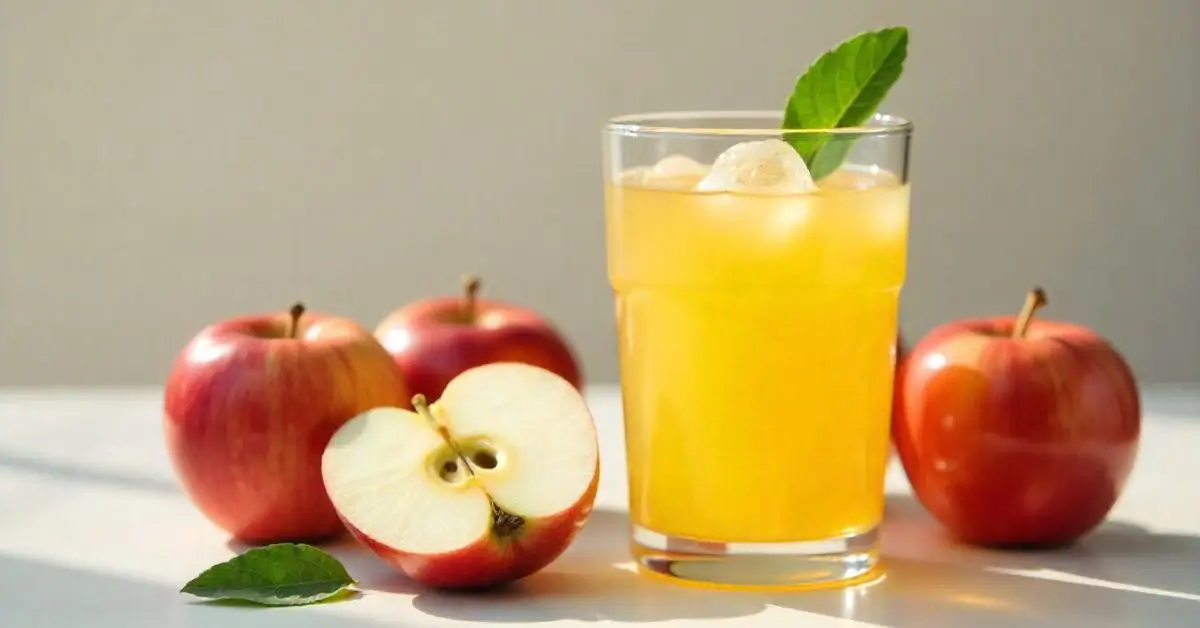
If you’ve ever picked up a bottle of apple juice and flipped it over, the apple juice nutrition label can feel confusing—especially when you’re watching sugar, calories, or buying drinks for kids. Many people assume apple juice is always healthy, but the label tells a more complete story.
This guide explains apple juice nutrition facts in clear, simple language so health-conscious adults, parents, dieters, students, and blood-sugar-aware readers can make informed choices without guesswork.
What Is an Apple Juice Nutrition Label?
An apple juice nutrition label shows what’s inside one serving of juice and how it fits into your daily diet. It includes:
Calories
Sugar and carbohydrates
Vitamins and minerals
Ingredients list
Percent Daily Value (%DV)
Understanding this label helps you compare 100% apple juice nutrition with juice drinks, sodas, or whole apples.
Apple Juice Nutrition Facts (Per 1 Cup / 240 ml)
Here’s a general overview of apple juice calories per cup and nutrients (values may vary by brand):
| Nutrient | Amount |
|---|---|
| Calories | ~110 |
| Carbohydrates | ~28 g |
| Sugar content | ~24 g |
| Fiber | 0 g |
| Vitamin C | 100–120% DV |
| Potassium | ~2% DV |
This table reflects common packaged apple juice nutrition found in stores.
Apple Juice Serving Size: Why It Matters
The apple juice serving size on the label is usually 1 cup (240 ml). Many bottles contain 2–3 servings, which means:
Drinking the whole bottle can double or triple sugar intake
Calories add up quickly without feeling full
Always check apple juice nutrition label per serving, not just per bottle.
How Much Sugar Is in Apple Juice?
A common question is: how much sugar is in apple juice?
About 24 grams of natural sugar per cup
That’s close to 6 teaspoons of sugar
No fiber to slow sugar absorption
Even without added sugar, apple juice can raise blood sugar quickly—important for diabetics and weight-loss followers.
Does Apple Juice Have Added Sugar?
Many people ask, does apple juice have added sugar?
100% apple juice: No added sugar, but still high in natural sugar
Juice drinks or blends: Often contain added sugars or syrups
Always read apple juice ingredients. Ideally, it should list only:
Apple juice (from concentrate) and/or Vitamin C (ascorbic acid)
Apple Juice Carbs and Sugar Breakdown
From a nutrition standpoint:
Almost all apple juice carbohydrates come from sugar
Zero fiber means faster digestion
Easy to overconsume without realizing it
This matters for people tracking macros or managing blood sugar.
Apple Juice Vitamins and Daily Value
Apple juice does offer some benefits:
High in Vitamin C (immune support)
Small amounts of potassium
No fat or cholesterol
However, aside from Vitamin C, the apple juice daily value for most nutrients is low.
Apple Juice vs Whole Apple Nutrition
A frequent comparison is apple juice vs whole apple nutrition:
| Whole Apple | Apple Juice |
|---|---|
| Fiber-rich | No fiber |
| More filling | Less filling |
| Slower sugar release | Faster sugar spike |
| Fewer calories | More calories per serving |
For daily health, whole apples are usually the better choice.
Is Apple Juice Healthy According to Nutrition Label?
So, is apple juice healthy according to nutrition label?
Yes, in moderation, especially:
Small portions
100% juice only
Not consumed daily in large amounts
No, if:
Used as a replacement for whole fruit
Given frequently to young children
Drunk in large quantities
Is 100% Apple Juice Better Than Juice Drinks?
Yes. Is 100% apple juice better than juice drinks?
Absolutely—because juice drinks often contain:
Added sugar
Artificial flavors
Lower fruit content
Still, “better” doesn’t mean “limitless.”
Apple Juice Nutrition Label Explained Simply (For Kids & Parents)
For parents searching apple juice nutrition label for kids:
High sugar, even without added sugar
Best limited to 4–6 oz per day
Water and whole fruit are better everyday options
Diluting juice with water can reduce sugar intake.
FAQ`s
How to read an apple juice nutrition label?
Start with serving size, then check sugar, calories, and ingredients. Look for “100% juice” and no added sugar.
How many calories are in apple juice per cup?
The apple juice calories per cup nutrition label usually shows about 110 calories.
Does apple juice contain fiber?
No. Apple juice has 0 grams of fiber, unlike whole apples.
Is apple juice okay for diabetics?
Only in very small portions and with blood-sugar monitoring, due to high sugar content.
Is apple juice FDA regulated?
Yes. Apple juice nutrition facts FDA label rules require accurate serving sizes, sugar disclosure, and ingredient listing.
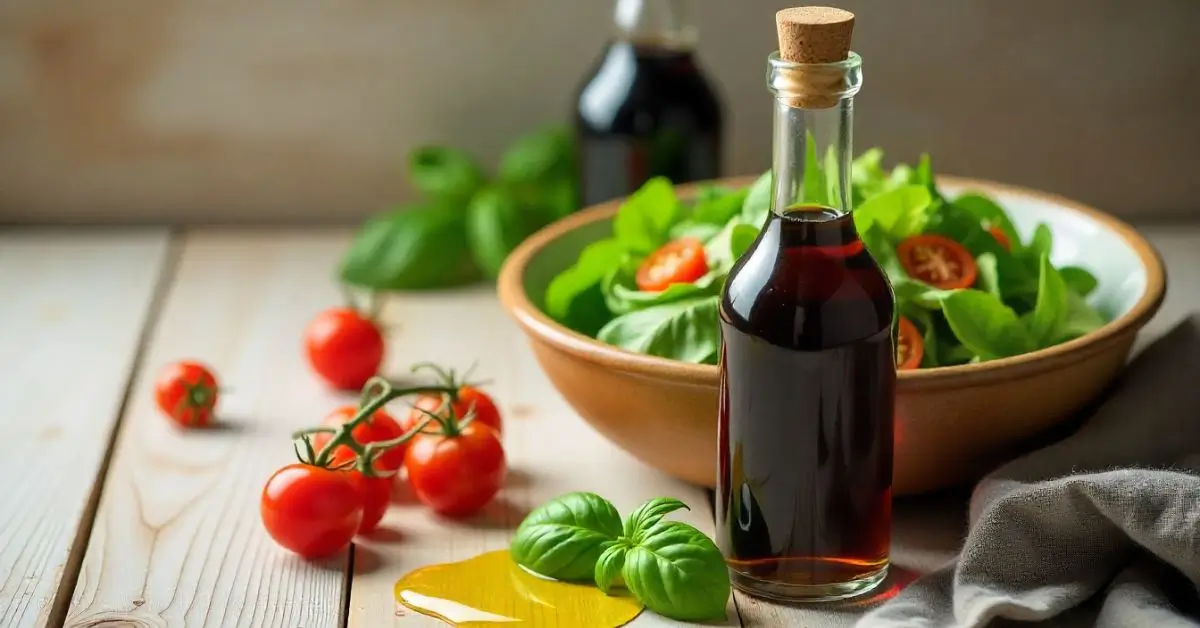
Choosing the right condiment can make or break a healthy meal. If you’re watching calories, managing blood sugar, or simply trying to eat cleaner, you’ve probably wondered whether balsamic vinegar fits into your daily diet. Understanding balsamic vinegar nutritional information helps you enjoy its rich flavor without compromising your health goals.
This guide breaks down calories, sugar, carbs, ingredients, and real health benefits—so you can use balsamic vinegar with confidence.
What Is Balsamic Vinegar Made Of?
Balsamic vinegar is traditionally made from grape must, which is freshly crushed grape juice cooked and fermented over time. The aging process gives it its deep color and sweet-tangy flavor.
Common balsamic vinegar ingredients include:
Cooked grape must
Wine vinegar (in commercial versions)
Natural fermentation acids
Traditional balsamic vinegar uses no artificial sweeteners, while some store-bought versions may contain added sugars or caramel coloring.
Balsamic Vinegar Nutrition Facts (Per Tablespoon)
Understanding portion size is key. A balsamic vinegar serving size is usually 1 tablespoon (15 ml).
Balsamic vinegar nutritional information per tablespoon:
Calories: 14
Carbohydrates: 2.7 g
Sugar content: 2.4 g
Fat: 0 g
Protein: 0 g
Sodium: 2–5 mg
These low numbers explain why balsamic vinegar is popular among calorie-conscious eaters.
How Many Calories Are in Balsamic Vinegar?
If you’re tracking calories, you’ll be happy to know that balsamic vinegar calories per tablespoon are very low compared to creamy dressings.
Balsamic vinegar: ~14 calories
Ranch dressing (1 tbsp): ~70 calories
Caesar dressing (1 tbsp): ~80 calories
This makes balsamic vinegar one of the best low-calorie vinegars for salads and marinades.
Does Balsamic Vinegar Have Sugar?
Yes, but in small amounts. Since it’s made from grapes, balsamic vinegar sugar content comes naturally from fruit sugars.
Key points:
Sugar is naturally occurring, not refined
Amount per tablespoon is modest
Traditional versions often contain less added sugar
For most people, this small sugar amount fits easily into a balanced diet.
Balsamic Vinegar Carbs and Sugar Breakdown
Carbs in balsamic vinegar mainly come from natural sugars.
Total carbs: ~2.7 g per tablespoon
Net carbs: ~2.4 g
Because portions are small, many low-carb eaters still use it sparingly.
Is Balsamic Vinegar Healthy for Daily Use?
When used in moderation, balsamic vinegar can be part of a healthy daily diet.
Balsamic vinegar health benefits include:
Adds flavor without excess fat
Helps reduce the need for sugary dressings
Contains antioxidants from grapes
Low in sodium and calories
Health-conscious eaters often use it to enhance meals without guilt.
Is Balsamic Vinegar Good for Weight Loss?
Yes, when used correctly. Balsamic vinegar for weight loss works best as a replacement for high-calorie sauces.
Why it helps:
Very low calorie
Naturally enhances taste
Encourages portion control
Supports healthier eating habits
It won’t cause weight loss on its own, but it supports smarter food choices.
Can Diabetics Eat Balsamic Vinegar?
Many people ask, can diabetics eat balsamic vinegar? The answer is generally yes—in moderation.
Important considerations:
Small portions help prevent blood sugar spikes
Choose traditional or sugar-free versions
Avoid thick balsamic glazes
For most people, balsamic vinegar does not significantly affect blood sugar when used sparingly.
Is Balsamic Vinegar Keto Friendly?
Strict keto diets limit carbs heavily. While balsamic vinegar isn’t zero-carb, many keto followers use it in small amounts.
Not ideal for large servings
Acceptable in small portions
Apple cider vinegar may be a better keto option
So, is balsamic vinegar keto friendly? Yes—when used carefully.
Traditional Balsamic Vinegar Nutrition vs Regular
Traditional balsamic vinegar nutrition:
Longer aging process
Thicker texture
Richer flavor
Often less added sugar
Regular commercial balsamic vinegar:
Shorter aging
Thinner consistency
May include additives
Traditional varieties are often preferred for health and taste.
Balsamic Glaze Nutrition vs Vinegar
Many people confuse the two, but they’re very different.
Difference between balsamic vinegar and balsamic glaze nutrition:
Balsamic glaze: higher sugar, thicker, higher calories
Balsamic vinegar: lighter, fewer carbs, healthier
If nutrition matters, vinegar is the better everyday choice.
FAQ`s
Is balsamic vinegar healthy for daily use?
Yes, when used in moderation, it’s a low-calorie and low-sodium option.
Does balsamic vinegar affect blood sugar?
Small amounts typically have minimal impact, especially when consumed with meals.
What is the best low-calorie vinegar for salads?
Balsamic vinegar, red wine vinegar, and apple cider vinegar are all excellent options.
How much balsamic vinegar should I use per serving?
Stick to 1–2 tablespoons to keep calories and sugar low.
Is balsamic vinegar better than creamy dressings?
Yes. It contains far fewer calories, fats, and additives.
Final Thoughts
Understanding balsamic vinegar nutritional information makes it easier to enjoy bold flavor without unhealthy extras. With low calories, minimal sodium, and natural sweetness, balsamic vinegar is a smart choice for salads, marinades, and everyday meals—especially for health-conscious eaters, weight-loss followers, and those managing blood sugar.
✍️ Author Bio
James Walker is an experienced SEO content writer specializing in health, nutrition, and food-related topics. He holds an academic background in business and digital content strategy, with a strong focus on creating reader-first, search-optimized content.
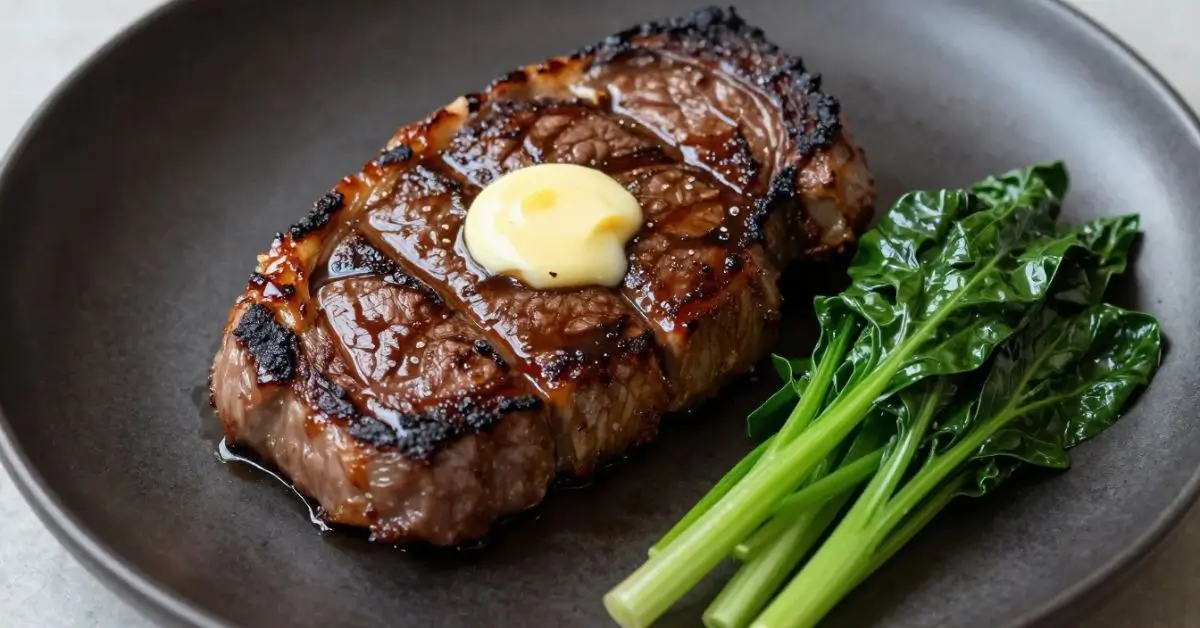
When you choose filet mignon, you’re usually thinking about tenderness and flavor. But for many health-conscious eaters, fitness enthusiasts, and home cooks, nutrition matters just as much. The good news? Beef filet mignon nutrition offers an impressive balance of high-quality protein, essential nutrients, and relatively low fat compared to many other steak cuts.
This guide breaks down calories, macros, vitamins, and health benefits—without the fluff—so you can decide if filet mignon fits your diet and lifestyle.
What Is Filet Mignon?
Filet mignon comes from the beef tenderloin, one of the leanest and most tender cuts of beef. Because this muscle does very little work, it contains less connective tissue and fat than cuts like ribeye or T-bone.
That tenderness also makes filet mignon popular with:
Health-conscious meat eaters
Fitness and macro-tracking diets
Low-carb, keto, and paleo followers
Beef Filet Mignon Nutrition Facts (Cooked)
Below is an approximate nutrition breakdown for cooked filet mignon (grilled or pan-seared), based on USDA data.
Filet Mignon Nutrition per 100g
Calories: ~210–220 kcal
Protein: ~26 g
Fat: ~12 g
Saturated fat: ~5 g
Carbohydrates: 0 g
Fiber: 0 g
This makes filet mignon a zero-carb protein source, ideal for low-carb and keto diets.
Filet Mignon Serving Size Explained
A standard filet mignon serving size is about 3–4 ounces (85–113 g) cooked.
Per serving, you’ll get:
High protein to support muscle repair
Moderate fat for satiety
No added sugars or carbs
Portion size matters, especially if you’re tracking calories or cholesterol.
How Much Protein Is in Filet Mignon?
Filet mignon protein per serving is one of its biggest strengths.
3 oz cooked filet mignon: ~22–24 g protein
100 g cooked filet mignon: ~26 g protein
This makes it a strong option for:
Muscle building
Weight maintenance
High-protein meal planning
Filet Mignon Fat Content: Lean or Fatty?
Many people ask: Is filet mignon lean or fatty?
Compared to other steaks, filet mignon is considered lean.
Steak Nutrition Comparison (Simplified)
Filet mignon: Lower fat, fewer calories
Sirloin: Lean, slightly firmer texture
Ribeye: Much higher fat and calories
While filet mignon does contain fat, it’s significantly less than ribeye, making it easier to fit into calorie-controlled diets.
Vitamins and Minerals in Filet Mignon
Beyond protein, filet mignon vitamins and minerals add serious nutritional value.
Key nutrients include:
Iron: Supports oxygen transport and energy levels
Zinc: Boosts immune health and metabolism
Vitamin B12: Essential for nerve function and red blood cells
Niacin (B3): Supports digestion and energy production
These nutrients make filet mignon especially beneficial for active individuals and those at risk of iron deficiency.
Is Filet Mignon Healthy?
Yes—when eaten in moderation.
Filet mignon is healthy because it:
Provides complete, high-quality protein
Contains no carbohydrates or sugar
Supplies essential micronutrients
Has less fat than many premium steaks
Healthfulness depends on portion size and cooking method. Grilling or pan-searing with minimal oil keeps calories in check.
Filet Mignon Nutrition for Keto and Low-Carb Diets
If you’re wondering does filet mignon have carbs?—the answer is no.
Carbs: 0 g
Protein-fat balance: Keto-friendly
Blood sugar impact: Minimal
This makes filet mignon an excellent choice for keto, paleo, and diabetic-friendly meals (informational use only).
Cooked vs Raw Filet Mignon Nutrition
You may notice differences between filet mignon nutrition cooked vs raw.
Raw values are lower in calories by weight
Cooking reduces water content, making nutrients more concentrated
Protein content remains high after cooking
Always rely on cooked values for realistic calorie tracking.
Filet Mignon and Cholesterol
Filet mignon cholesterol content averages around 70–80 mg per 3 oz serving.
For most healthy individuals:
This fits within balanced dietary guidelines
Pairing steak with fiber-rich vegetables supports heart health
Those monitoring cholesterol should focus on overall dietary patterns, not single foods.
Is Filet Mignon Good for Weight Loss?
Yes, filet mignon can support weight loss when eaten mindfully.
Why it works:
High protein increases fullness
Lower fat than many steaks
No carbs or added sugars
Stick to reasonable portions and avoid heavy sauces or butter-based toppings.
FAQ`s
How many calories are in filet mignon?
A cooked 3 oz serving contains about 200–220 calories, depending on fat content and cooking method.
Is filet mignon healthier than ribeye?
Yes. Filet mignon has less fat and fewer calories than ribeye while still providing high protein.
What are filet mignon macros?
Typical macros per 100 g cooked:
Protein: ~26 g
Fat: ~12 g
Carbs: 0 g
Is filet mignon USDA-approved nutrition data reliable?
Yes. Filet mignon nutrition USDA data is commonly used as a reference for beef tenderloin cuts.
Can diabetics eat filet mignon?
From a nutrition standpoint, filet mignon contains no carbs or sugar, making it suitable for blood-sugar-aware diets (informational only).
Final Thoughts
Beef filet mignon nutrition combines premium taste with strong nutritional value. It’s lean, protein-rich, carb-free, and packed with essential vitamins and minerals. Whether you’re lifting weights, tracking macros, or planning a balanced meal, filet mignon can fit comfortably into a healthy eating pattern when enjoyed in moderation.
Author Bio
Daniel Carter is a professional content writer specializing in food, nutrition, and health topics. He holds a bachelor’s degree in Nutrition Science and has several years of experience creating research-based, reader-friendly content for educational and lifestyle platforms.

 Cartoon1 year ago
Unlocking the Potential of Nekopoi.care: A Comprehensive Guide
- Game3 years ago
Exploring Aopickleballthietke.com: Your Ultimate Pickleball Destination
- HEALTH2 years ago
Wegovy: Important Information and Prescription Instructions
- BUSINESS2 years ago
Unraveling the Mystery of 405 Howard Street San Francisco charge on Credit Card
- BUSINESS1 year ago
What Companies Are In The Consumer Services Field
- HOME IMPROVEMENT3 years ago
Vtrahe vs. Other Platforms: Which One Reigns Supreme?
- ENTERTAINMENT2 years ago
Understanding Bunkr Album: A Comprehensive Guide
- ENTERTAINMENT3 years ago
The Ultimate Guide to MP3Juices: Free Music Download