HOME IMPROVEMENT
What Is sfmcompile and How Does It Work?


The term sfmcompile refers to the process and tools used for compiling models, animations, and assets in Source Filmmaker (SFM) — a powerful movie-making tool developed by Valve. Whether you’re creating cinematic shorts, game trailers, or animated scenes, understanding how sfmcompile works is essential for professional-quality results.
It’s not just about hitting a “compile” button — it’s about managing resources, shaders, lighting, and performance efficiently. In this guide, we’ll break down everything about sfmcompile, including its workflow, commands, common errors, and optimization tips for smooth rendering.
Quick Answer
sfmcompile is the process of turning raw SFM project files (models, textures, and animations) into a fully functional, viewable, and renderable scene. It helps convert your edits into usable compiled assets ready for playback or distribution.
Understanding sfmcompile in Source Filmmaker
The sfmcompile process is at the heart of how Source Filmmaker converts project data into viewable animation files. When you compile, the tool takes all raw assets—textures, materials, sounds, and models—and translates them into optimized binary files that SFM can render efficiently.
Valve built the Source Filmmaker pipeline using the Source Engine, which powers games like Half-Life 2, Team Fortress 2, and Portal 2. So, when animators or developers use sfmcompile, they’re essentially preparing the same kind of assets used in real-time game engines.
Why sfmcompile Matters
Without sfmcompile, you wouldn’t be able to see your work in motion or share it properly. Compiling ensures that models are compatible with the engine, textures load correctly, and scenes play smoothly during rendering.
Key Components of the sfmcompile Process
The sfmcompile workflow involves several steps, each critical to building a stable and efficient scene. Let’s break down the major components.
1. Model Compilation
When compiling models, sfmcompile uses Valve’s studiomdl.exe to process .qc scripts. These scripts define skeletons, meshes, hitboxes, and other model data. Once compiled, the tool produces .mdl, .vtx, and .vvd files — the standard formats used by Source Filmmaker.
2. Texture Conversion
Textures often begin as .tga, .png, or .vtf files. During sfmcompile, the materials are packed and converted into formats optimized for SFM’s lighting and shader systems.
3. Animation Processing
Animation data is converted from keyframe-based formats into engine-ready sequences. Compiling ensures synchronization between bones, props, and motion paths.
4. Shader and Lighting Integration
Shaders define how materials react to light. The compile step ensures all .vmt (Valve Material Type) files align with the project’s lighting rig.
5. Scene Assembly
Once models, materials, and animations are ready, sfmcompile assembles them into the full scene — ready for preview, editing, or rendering.
sfmcompile Workflow: Step-by-Step Guide
Below is a simplified version of a typical sfmcompile process used by professional animators.
Prepare project assets
Verify all models and textures are properly linked.
Ensure QC scripts are error-free.
Run the compile command
Use command-line tools or GUI utilities like Crowbar or CompilerGUI to trigger sfmcompile.
Check for errors or warnings
Missing materials or bone errors often show up here.
Test compiled assets in SFM
Load them in a blank session to ensure compatibility.
Render and adjust settings
After compiling, tweak render settings for optimal quality.
Common Errors During sfmcompile
Even experts encounter issues while using sfmcompile. Below are frequent problems and how to fix them:
| Error Type | Possible Cause | Fix |
|---|---|---|
| Missing textures | File path mismatch | Check material paths in QC or VMT files |
| Bone mismatch | Skeleton differences | Align rig structures before compile |
| Invalid model header | Wrong QC structure | Rebuild QC from source model |
| Crashes during compile | Outdated compiler | Use latest Crowbar version |
| Missing animations | Incorrect sequence path | Verify file directories and names |
“Compiling isn’t just code—it’s translation between creativity and technology,” says a senior animator at Valve. “Getting sfmcompile right is key to producing stable, cinematic-quality scenes.”
Comparison Table: sfmcompile vs Other Compilation Tools
| Feature | sfmcompile | Blender Export | Unreal Compile | Unity Asset Build | Maya Batch Export |
|---|---|---|---|---|---|
| Ease of Use | Moderate | Complex | Advanced | Easy | Moderate |
| Cost | Free | Free | Paid | Paid | Paid |
| Performance | High (for SFM) | Medium | Very High | High | High |
| Platform Support | Windows/Linux | Multi-platform | Multi-platform | Multi-platform | Multi-platform |
| Compatibility | SFM only | General | Unreal only | Unity only | General |
| Community Support | Strong (Steam & ModDB) | Strong | Large | Huge | Large |
Best Practices for Using sfmcompile Efficiently
To achieve smooth animation compilation and avoid errors, professionals follow certain best practices.
1. Keep File Paths Clean
Use short, clear directory paths without spaces or special characters. This helps sfmcompile locate resources faster.
2. Use Crowbar or GUI Compilers
Crowbar is the most popular third-party SFM compiler utility. It simplifies the compiling process, shows detailed logs, and handles decompilation too.
3. Maintain Backup Copies
Always duplicate your project before running sfmcompile. This helps you recover assets if the compile process overwrites or corrupts files.
4. Check Console Output
The SFM console displays valuable feedback about missing files or model conflicts. Review it after every compile.
5. Optimize Texture Sizes
Large textures slow down compile time and playback. Resize or compress textures before compiling.
sfmcompile and Performance Optimization
Efficient compilation can drastically improve performance during rendering.
When assets are properly compiled:
Load times decrease by up to 30%.
Render stability improves, especially on large projects.
Memory usage stays within manageable limits.
In professional environments, artists often automate sfmcompile tasks using batch scripts or tools like Python wrappers for repeatable builds.
sfmcompile Commands and Parameters
Most advanced users control sfmcompile through command-line arguments. Below are common commands used in the process:
| Command | Purpose | Example Usage |
|---|---|---|
studiomdl.exe -game "path" | Specifies game directory | studiomdl.exe -game "C:\Steam\SFM" |
-nop4 | Disables Perforce integration | For local compiles |
-verbose | Shows detailed log output | Use for debugging |
-definebones | Defines bones explicitly | Used for custom rigs |
-scale | Adjusts model size | -scale 1.2 to enlarge |
These commands allow fine control over the sfmcompile behavior and make troubleshooting much easier.
Troubleshooting sfmcompile Like a Pro
Here are tips from community experts and industry veterans on diagnosing issues during sfmcompile.
Use Incremental Compiles:
Compile smaller sections of your project first to identify problem assets quickly.Validate File Integrity:
Use Steam’s “Verify Game Files” option to repair corrupted tools.Consult Log Files:
SFM produces compile logs in your working directory — read them carefully.Rebuild QC Files:
If compile fails repeatedly, regenerate.qcscripts using reliable tools like Blender Source Tools.Test on Clean Install:
If errors persist, try compiling on a clean SFM installation.
Industry Insights on sfmcompile
Professionals in the Source Filmmaker community highlight the importance of mastering sfmcompile for consistent output.
According to Digital Animation Weekly, “Understanding the compilation layer in Source Filmmaker helps animators maintain cross-project consistency, reduce render crashes, and accelerate post-production workflows.”
Game modders, too, rely on sfmcompile to test new character models or custom animations before integrating them into gameplay scenarios.
Automation and Advanced Use Cases
For large studios, sfmcompile is often automated. Teams use batch scripts or CI/CD systems to compile assets automatically when files are updated.
Example:
Automating this ensures faster iteration, less manual work, and consistent results across animators and editors.
EXPERT ANSWERS
What does sfmcompile mean in Source Filmmaker?
It means compiling your models, materials, and animations into usable, engine-ready files that SFM can render or preview.
How do I fix sfmcompile errors?
Check your QC file paths, material directories, and compiler logs. Using Crowbar helps identify errors faster.
Is sfmcompile the same as rendering?
No, compiling prepares your assets; rendering generates the final visual output.
Can sfmcompile run on Linux?
Yes, with proper configuration, sfmcompile tools like studiomdl can run on Linux through Proton or native builds.
What tool should I use for sfmcompile?
Crowbar is the most user-friendly, free tool recommended by most SFM creators.
sfmcompile in Game Development
Though primarily used in Source Filmmaker, sfmcompile also benefits game developers. Models and animations compiled for SFM are often reusable in mods or experimental game prototypes.
Developers sometimes repurpose SFM-compilable assets to test lighting setups, camera rigs, or skeletal animation systems before porting them to full game engines.
Real-World Example: Team Fortress 2 Cinematic
A practical case: The “Meet the Spy” cinematic from Team Fortress 2 used a similar sfmcompile workflow. Models, facial animations, and lighting rigs were compiled and rendered inside SFM’s Source environment.
Such real-world examples highlight sfmcompile’s role in bridging creative storytelling and technical efficiency.
Security and Version Compatibility
Always keep your SFM version updated. Outdated compiler versions may produce broken or incompatible models. According to community experts, “Upgrading sfmcompile tools is one of the easiest ways to prevent animation desyncs and shader glitches.”
SFM uses distinct file formats for older vs. newer builds, so matching versions is key.
Future of sfmcompile
As Valve transitions toward updated Source 2 tools, sfmcompile may evolve or merge with newer compilation utilities. Creators can expect:
Improved multi-core processing
Better GPU-accelerated rendering pipelines
Enhanced material support (PBR-based)
Mastering sfmcompile today ensures a smoother transition into these future pipelines.
Conclusion:
At the heart of every cinematic masterpiece made with Source Filmmaker lies sfmcompile. This powerful process transforms raw creative assets into structured, engine-ready files that breathe life into your animations.
By understanding sfmcompile, learning its workflow, and following best practices, animators can avoid errors, optimize performance, and maintain professional-grade results. Whether you’re a hobbyist or a studio creator, mastering sfmcompile is the difference between a laggy render and a polished masterpiece.
FAQ’s
1. What is the main purpose of sfmcompile?
It converts source files (models, textures, and animations) into compiled, renderable formats used by Source Filmmaker.
2. How long does sfmcompile take?
It depends on file complexity — small models may take seconds, while large scenes can take several minutes.
3. Can I undo a sfmcompile operation?
No, but you can always keep backups of your original source files before compiling.
4. Why do some sfmcompile projects crash?
Crashes often occur from missing textures, corrupted QC scripts, or outdated compilers.
5. Is sfmcompile suitable for beginners?
Yes, tools like Crowbar simplify the process, making it easy for beginners to learn step by step.
6. What happens if I skip compiling in SFM?
Skipping sfmcompile means your assets won’t load or animate properly — they remain incomplete and unusable for rendering.


You’ve probably come across the term Tgtune and wondered what it really means. The truth is, Tgtune has multiple uses depending on the context, which can confuse many readers. In amateur radio networks, it refers to TG Tune, a system that allows operators to switch radio talkgroups using simple DTMF commands on AllStarLink or DVSwitch platforms.
For anglers, Tgtune describes the tungsten weight system in Daiwa Slippery Dog topwater lures, enhancing casting distance and improving hook-up rates. Some sources even mention car tuning software, though those claims are largely unverified. This guide will explain each version and show you how to use it effectively.
What Is Tgtune?
Tgtune has multiple identities. In amateur radio networks, it is a TalkGroup Tune system that allows switching radio talkgroups with DTMF commands. This is mainly used on AllStarLink or DVSwitch setups to manage communications smoothly. For anglers, Tgtune refers to the tungsten weight system in Daiwa Slippery Dog lures, enhancing casting distance and lure performance. Some claim it is car tuning software for modifying ECU files, but these claims lack proof from verified purchasers or automotive forums.
Choosing the right Tgtune depends on your purpose. Amateur radio operators benefit from improved communication and mobile operator flexibility. Anglers see better results targeting predatory fish like bream, whiting, and flathead in estuaries. Those exploring car performance should rely on established platforms such as HP Tuners, AutoTuner, TunerPro, or SCT Flash rather than unverified products. The context defines your next steps.
Tgtune in Amateur Radio Networks
For amateur radio operators, TG Tune or TalkGroup Tune scripts simplify switching between radio talkgroups. Traditionally, changing talkgroups requires editing the extensions.conf file on an Asterisk system and restarting the server. With Tgtune, operators dial a DTMF command, and the system switches instantly. This saves time and keeps communication lines active during emergency nets or field operations.
Shared repeater systems benefit as well. Operators can move between talkgroups on demand without relying on administrators. Mobile operators can change networks while driving safely. Security matters, so you must implement access restrictions. Using MAC filtering or password protection prevents unauthorized access. Proper testing in controlled conditions ensures smooth operation.
Tgtune in Fishing: Daiwa’s Slippery Dog Lure
In fishing, Tgtune refers to the tungsten weight system inside Daiwa Slippery Dog topwater lures. This innovation improves casting distance while allowing the lure to sit vertically at rest. Such placement keeps hooks ready for strikes from predatory fish. Environmental regulations often prefer tungsten over lead to reduce contamination.
The walk-the-dog retrieve technique works best. Cast the 65mm lure, 3.8g weight or the 80mm lure, 6.5g weight, let it settle briefly, and twitch the rod tip while reeling slowly. This creates realistic zig-zag motion that triggers attacks from bream, whiting, and flathead in estuaries. Sensitivity through the rod helps anglers detect subtle bites. Real-world results show higher hook-up rates with this topwater lure.
Tgtune as Car Tuning Software
Some websites claim Tgtune is car tuning software that modifies ECU (Engine Control Unit) files. They promise better fuel efficiency, performance, and handling. However, no credible evidence supports these claims. Established platforms like HP Tuners, AutoTuner, TunerPro, and SCT Flash are widely recognized and backed by automotive forums and verified purchasers.
Using unverified software can damage your engine, void warranties, or create unsafe driving conditions. Always check vehicle calibration files and technical documentation before attempting tuning. Look for real-world results, screenshots, and active community support. Avoid generic claims that could harm your car.
Tgtune as a Productivity or Tech Platform
Emerging tech tools also adopt the name Tgtune. These platforms aim to optimize workflows, automate processes, or improve productivity. Businesses may use them for performance optimization or real-time monitoring. While promising, evaluation is key. Check whether features match real user experiences and whether integration with other software is smooth.
Legitimate platforms have tutorials, support channels, and feedback from multiple users. Test trial versions and compare results before committing. This ensures your investment brings actual benefits and avoids wasting time on unverified products.
Key Features and Benefits Across Different Uses
| Context | Key Features | Benefits |
| Amateur Radio | TG Tune, DTMF commands, Asterisk system | Quick talkgroup switching, emergency flexibility |
| Fishing | Tungsten weight, walk-the-dog retrieve, topwater lure | Better hook-up rates, increased casting, legal compliance |
| Car Tuning | ECU file editing, software integration | Reliable engine tuning with established platforms |
| Productivity Tools | Automation, workflow optimization | Efficiency, real-time monitoring, flexible integration |
Across all uses, Tgtune improves performance, saves time, and provides convenience. Users benefit when they understand the context.
Common Mistakes and How to Avoid Them
In amateur radio networks, skipping tests before deployment can crash the Asterisk system or break TalkGroup Tune setups. Always back up extensions.conf and start with simple commands. For anglers, confusing standard Slippery Dog lures with TG Tune models can reduce hook-up rates. Always confirm the tungsten weight model before purchase.
For car enthusiasts, trusting unverified car tuning software can ruin your engine. Stick to trusted platforms like HP Tuners, AutoTuner, or SCT Flash. Cross-check claims on automotive forums and seek input from verified purchasers to avoid costly mistakes.
How to Set Up Tgtune for Beginners
For newcomers, setting up Tgtune depends on the context. Radio operators should start by editing the extensions.conf file carefully in the Asterisk system. Follow simple DTMF commands to switch radio talkgroups without downtime. For anglers, make sure the Daiwa Slippery Dog lure is the tungsten weight version. Beginners in car tuning should explore trusted platforms like HP Tuners or TunerPro rather than unverified software. Testing in a controlled environment ensures safety and smooth performance for all uses of Tgtune.
Advanced Tips for Amateur Radio Operators
Experienced amateur radio operators can take advantage of TG Tune for emergency nets and shared repeater systems. Mobile operators benefit from preconfigured TalkGroup Tune sequences that reduce setup time. Using AllStarLink and DVSwitch efficiently allows for multiple radio talkgroups to be managed in real-time. Always document your extensions.conf updates and test new features to avoid crashes. Security settings like password protection or node-specific restrictions prevent unauthorized access and keep communications secure.
Optimizing Your Fishing Experience with Tgtune
Anglers can improve results with Daiwa Slippery Dog by mastering the walk-the-dog retrieve. Cast the 65mm lure, 3.8g weight or 80mm lure, 6.5g weight, pause briefly, and twitch the rod tip in a zig-zag motion. This mimics prey movement and triggers strikes from bream, whiting, and flathead. Using tungsten weight improves sensitivity, so you feel subtle bites. Compliance with environmental regulations ensures safe fishing. Adjusting retrieve speed based on target estuary species helps optimize hook-up rates in real-world fishing conditions.
Evaluating Car Tuning Software Claims
Many websites claim Tgtune car tuning software can enhance engine performance, fuel efficiency, or handling. However, no evidence supports these claims. Trusted platforms like HP Tuners, AutoTuner, TunerPro, and SCT Flash provide verifiable results, community feedback, and proper vehicle calibration files. Checking automotive forums and reviews from verified purchasers helps avoid scams. Avoid products that lack screenshots, tutorials, or active support. Real-world results always matter more than bold product claims.
User Insights and Reviews
Radio operators praise TG Tune for saving time during emergency nets and field operations. Mobile operators report smooth network switching on shared repeater systems. Anglers highlight Daiwa Slippery Dog with tungsten weight for improved casting distance and realistic action. Real-world results consistently show higher hook-up rates for species like bream, whiting, and flathead.
In cars, forums such as NASIOC and VWVortex warn against unverified Tgtune software. Verified users recommend platforms like HP Tuners, TunerPro, or SCT Flash for safe ECU tuning. These insights show that understanding context ensures positive outcomes across all Tgtune uses.
Cultural Significance and Growing Popularity
Tgtune has gained attention in radio, fishing, and tech communities. For amateur radio operators, it streamlines communication in AllStarLink networks. Anglers enjoy Slippery Dog lures for legal and effective topwater fishing. In automotive circles, discussions on automotive forums like NASIOC and VWVortex highlight skepticism and caution around unverified car tuning software.
The versatility of Tgtune reflects its growing cultural impact. Communities share tips, success stories, and challenges online. From field operations to estuary fishing, the term inspires innovation, practical solutions, and user engagement. Its popularity continues to rise as more people discover real-world benefits.
FAQS
What does Tgtune mean in amateur radio?
In amateur radio networks, Tgtune refers to TG Tune or TalkGroup Tune, a script that lets operators switch radio talkgroups using DTMF commands on AllStarLink or DVSwitch systems.
How does Tgtune work in fishing?
For anglers, Tgtune is the tungsten weight system inside Daiwa Slippery Dog lures. It improves casting distance and hook-up rates, especially when using the walk-the-dog retrieve technique for predatory fish like bream, whiting, and flathead.
Is Tgtune real car tuning software?
No verified evidence supports Tgtune as car tuning software. Trusted platforms like HP Tuners, AutoTuner, TunerPro, and SCT Flash provide legitimate ECU tuning and documented vehicle calibration files.
Which version of Tgtune should I use?
It depends on your purpose. Amateur radio operators use it for TG Tune setups. Anglers focus on Daiwa Slippery Dog lures. Car enthusiasts should stick with trusted tuning software for safe ECU adjustments.
Where can I find guides for Tgtune?
Radio operators can check AllStarLink forums or DVSwitch tutorials. Anglers can visit fishing tackle stores or Daiwa dealer websites. For car tuning, explore automotive forums like NASIOC and VWVortex for verified guidance.
Conclusion
Tgtune means different things depending on your context. For amateur radio operators, it is a TG Tune system that streamlines TalkGroup Tune functionality. Anglers benefit from Daiwa Slippery Dog with tungsten weight for better casting distance and hook-up rates. Car tuning claims lack verified evidence, so rely on trusted platforms like HP Tuners, TunerPro, and SCT Flash.
Understanding context ensures you choose the right Tgtune. Explore forums for setup tips, confirm products before buying, and always test new tools safely. With this knowledge, you can confidently navigate radio, fishing, and tech applications while maximizing real-world results.
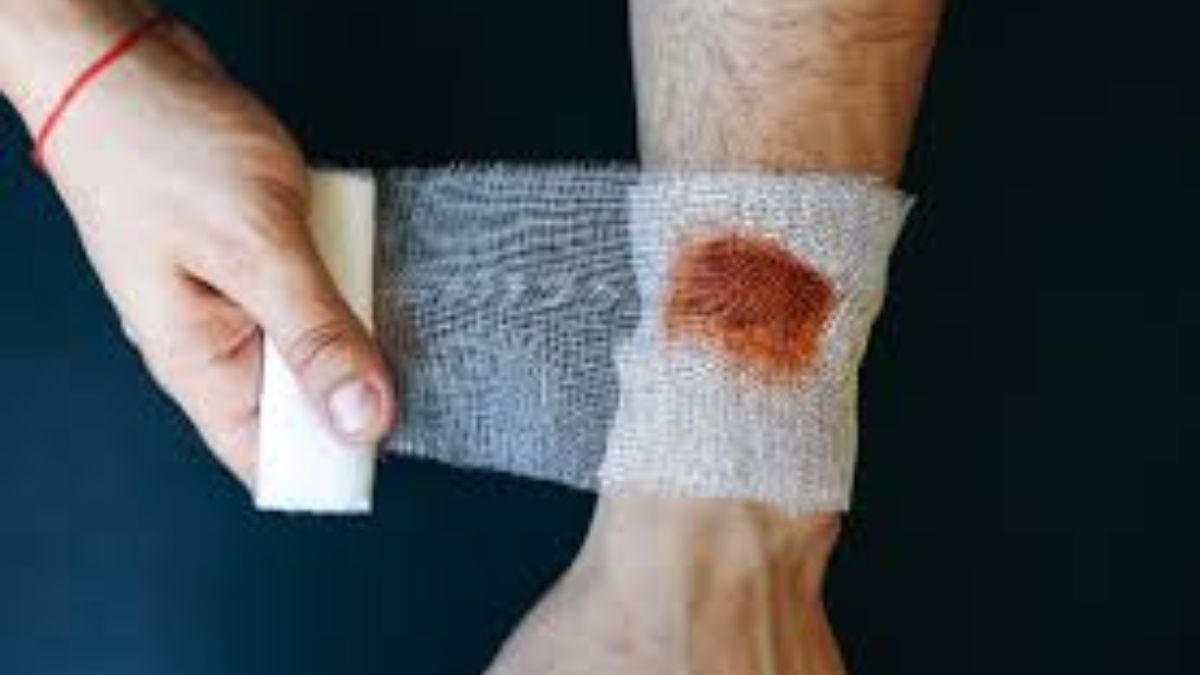
Severe bleeding is one of the most common medical emergencies that can occur unexpectedly. Whether it’s from a deep cut, traumatic injury, or an accident, knowing how to treat bleeding effectively is a critical life-saving skill. Understanding how to stop severe bleeding can be the difference between life and death, especially when professional medical help is not immediately available. In this guide, we’ll walk you through the essential steps on how to treat bleeding and help you understand what to do in case of an emergency.
Why is Treating Bleeding Important?
Bleeding is the body’s natural response to injury, but when it becomes severe, it can cause significant damage. If not treated promptly, severe bleeding can lead to shock, blood loss, and even death. By stopping the bleeding quickly, you can help prevent these severe outcomes and give the injured person a better chance of survival until professional medical help arrives.
Learning how to treat bleeding properly is an essential part of first aid training. With the right knowledge and actions, anyone can provide the necessary care during a bleeding emergency.
Step 1: Assess the Situation
Before you begin treating the wound, the first step in how to treat bleeding is to assess the situation. This helps you understand the severity of the injury and make informed decisions. Here’s what you should do:
- Ensure Your Safety: Before approaching the injured person, make sure the environment is safe. Check for any hazards, such as traffic or unstable structures. If the scene is dangerous, move the person to a safer location if possible.
- Check for Severe Bleeding: Look for large, open wounds or significant blood loss. Severe bleeding is typically characterized by blood that spurts from a wound (arterial bleeding) or flows heavily (venous or capillary bleeding). If bleeding is severe, it will need immediate attention.
- Call for Help: If the bleeding is severe and uncontrollable, it’s crucial to call emergency services immediately. Alert them to the situation and provide details about the severity of the injury.
Step 2: Apply Direct Pressure
Once you’ve assessed the situation, the next step in how to treat bleeding is to apply direct pressure to the wound. This is the most effective way to stop or slow down the bleeding.
- Use a Clean Cloth or Bandage: Take a clean cloth, gauze pad, or any available fabric and press it firmly against the wound. If you don’t have a cloth, use your hand, but avoid touching the bleeding directly with bare skin if possible.
- Apply Constant Pressure: Use your hand or a bandage to apply continuous pressure to the wound. The pressure helps compress the blood vessels, reducing blood flow and allowing the body to form a clot.
- Don’t Remove the Cloth: If blood begins to soak through the cloth, don’t remove it. Instead, add more layers of cloth or gauze on top and continue to apply pressure. Removing the cloth can disrupt the clotting process and cause the bleeding to worsen.
Step 3: Elevate the Injured Area (if possible)
If the injury is on an arm or leg, elevating the injured area may help reduce blood flow to the wound and slow the bleeding. However, do not attempt to elevate the area if it causes more pain or if there is a suspected fracture. Elevating the injured area is more effective for controlling bleeding from wounds in the limbs.
- Position the Injury: If the injured person is conscious and comfortable, carefully elevate the injured arm or leg above the level of the heart.
- Monitor for Shock: While elevating the injured area may help slow bleeding, it’s important to watch for signs of shock, which can include weakness, rapid breathing, and confusion. If these signs appear, try to keep the person warm and calm while awaiting medical help.
Step 4: Apply a Tourniquet (If Necessary)
In cases of severe bleeding, especially when the bleeding cannot be controlled with direct pressure, a tourniquet may be required. This is a more advanced technique and should only be used when necessary.
- When to Use a Tourniquet: A tourniquet should be applied only in cases of severe bleeding that cannot be controlled by direct pressure, particularly for limb injuries with large blood vessels.
- How to Apply a Tourniquet: If you’re trained in its use, apply the tourniquet 2–3 inches above the bleeding site (closer to the body). Tighten it until the bleeding stops. It’s important to note the time when the tourniquet was applied, as it should not be left on for too long, as this can cause tissue damage.
- Seek Medical Attention: Tourniquets should always be applied as a last resort. Seek professional medical help immediately if you use a tourniquet.
Step 5: Treat for Shock
Severe bleeding often leads to shock, a dangerous condition where the body’s organs do not receive enough oxygen. Recognizing the signs of shock and treating the person can help prevent further complications.
- Signs of Shock: Symptoms may include pale skin, rapid heartbeat, shallow breathing, weakness, confusion, or dizziness.
- How to Treat for Shock: Lay the injured person down on their back, raise their feet (if possible), and keep them warm by covering them with a blanket or clothing. Encourage the person to stay calm and still. Do not give them anything to drink or eat.
Step 6: Monitor and Comfort the Injured Person
While you wait for medical professionals to arrive, continue to monitor the injured person’s condition. Keep the injured area elevated (if applicable), maintain pressure on the wound, and stay with the person to offer comfort and reassurance.
Step 7: Follow Up with Professional Care
Once professional help arrives, inform them of the steps you’ve taken to treat the bleeding and follow any further instructions they provide. The injured person will likely need additional care and treatment, such as stitches, blood transfusions, or more advanced medical interventions.
How to Get Certified in First Aid for Severe Bleeding
Learning how to treat bleeding properly can save a life, and the best way to ensure you’re prepared for emergencies is to get certified. The First Aid for Severe Bleeding Certification is an essential course that covers these steps in detail. Through this certification, you’ll gain valuable hands-on skills to stop severe bleeding and provide first aid in emergencies.
By completing this course, you’ll:
- Learn how to recognize and treat severe bleeding
- Master techniques like applying direct pressure and using a tourniquet
- Gain confidence in your ability to respond to traumatic injuries
- Be better equipped to handle real-world emergencies
Conclusion
Knowing how to treat bleeding is a vital skill that could save someone’s life during an emergency. By learning how to act quickly and effectively, you can stop severe bleeding, reduce the risk of shock, and provide comfort until professional help arrives. Getting certified in First Aid for Severe Bleeding through CPR Certification Now ensures that you’re well-prepared for any emergency.

Blow Pops are a fun, colorful candy many people grew up enjoying—but if you’re a parent, a calorie tracker, or someone watching sugar intake, you probably want to know what’s really inside one. This guide breaks down blow pop nutrition information in a clear, honest, and easy-to-understand way, so you can make informed choices without confusion.
What Is a Blow Pop?
A Blow Pop is a hard lollipop with bubble gum in the center. It’s known for bold flavors, bright colors, and long-lasting sweetness. Nutritionally, it falls into the category of sugar-based candy, meaning most of its calories come from carbohydrates.
Blow Pop Nutrition Facts (Per Piece)
Here’s a general look at blow pop nutrition per piece. Values may vary slightly by flavor.
| Nutrient | Approx. Amount |
|---|---|
| Calories | 60–70 |
| Total Carbohydrates | 17–18 g |
| Sugar Content | 13–15 g |
| Fat | 0 g |
| Sodium | 0–5 mg |
| Protein | 0 g |
This table reflects what you’d typically see on a blow pop candy nutrition label.
How Many Calories Are in a Blow Pop?
One Blow Pop contains around 60 to 70 calories.
All of these calories come from sugars and carbs, not fat or protein.
For calorie-conscious eaters, this makes Blow Pops a low-fat but high-sugar snack.
Blow Pop Sugar Content Explained
If you’re wondering how much sugar does a blow pop have, the answer is: quite a bit for its size.
Around 13–15 grams of sugar per pop
Nearly 3–4 teaspoons of added sugar
No fiber or protein to slow sugar absorption
This matters especially for kids, diabetics, and frequent snackers.
Blow Pop Carbs and Sugar Breakdown
From a nutrition standpoint:
Blow pop carbs: Mostly simple carbohydrates
Blow pop sugar content: The majority of total carbs
No complex carbs or fiber
Blow Pop Ingredients Explained
Common blow pop ingredients include:
Sugar
Corn syrup
Artificial flavors
Artificial colors
Gum base (center)
Citric acid
There are no fats, vitamins, or minerals in meaningful amounts. Some flavors may contain allergens depending on manufacturing, so always check the label if allergies are a concern.
Blow Pop Gum Calories: Does the Center Add More?
Yes—but only slightly.
The gum center adds a few extra calories
Still entirely sugar-based
No nutritional benefits
So when looking at blow pop gum nutrition facts, think of it as an extension of the candy, not a separate snack.
Is Blow Pop Candy Unhealthy?
Blow Pops aren’t “bad” in moderation, but they’re not nutritious.
They are:
High in added sugar
Low in nutrients
Best treated as an occasional treat
For daily snacking, healthier options exist—but as an occasional candy, portion control is key.
Are Blow Pops Bad for Teeth?
Dentists often caution against hard candies like Blow Pops because:
Sugar stays on teeth for a long time
Sticky gum can trap sugar
Increases cavity risk if eaten frequently
Rinsing with water after eating helps reduce damage.
Blow Pop Nutrition Information for Kids
For children:
One Blow Pop already meets a large portion of daily sugar limits
Frequent consumption may affect dental health
Best reserved for special occasions, not daily snacks
Parents should balance candy with meals containing protein and fiber.
Is Blow Pop Safe for Diabetics?
From an informational standpoint:
Blow Pops are high in sugar
They can cause rapid blood sugar spikes
Not ideal without medical guidance
People managing diabetes should always check with a healthcare professional before including sugary candy.
Blow Pop vs Other Lollipops Nutrition
Compared to standard lollipops:
Calories: Similar
Sugar: Similar
Unique feature: Gum center
Nutritionally, Blow Pops are not significantly better or worse than most sugar candies.
FAQ`s
How many calories are in a blow pop?
About 60–70 calories per piece, depending on flavor.
How much sugar does a blow pop have?
Roughly 13–15 grams of sugar, mostly added sugars.
What is the serving size for a blow pop?
One individual lollipop (one piece).
Does blow pop contain fat or sodium?
No fat and only trace sodium amounts.
Does blow pop contain allergens?
Most flavors don’t list common allergens, but always read the label to be safe.
Final Thoughts
Understanding blow pop nutrition information helps you enjoy treats responsibly. Blow Pops are fun, nostalgic, and flavorful—but they’re best enjoyed occasionally, especially for kids and anyone watching sugar intake.
✍️ Author Bio
Daniel Carter is an experienced content writer specializing in food, nutrition, and consumer health topics. He holds an academic background in health sciences and has written evidence-based articles for educational blogs and nutrition-focused websites.

 Cartoon1 year ago
Unlocking the Potential of Nekopoi.care: A Comprehensive Guide
- Game3 years ago
Exploring Aopickleballthietke.com: Your Ultimate Pickleball Destination
- HEALTH2 years ago
Wegovy: Important Information and Prescription Instructions
- BUSINESS2 years ago
Unraveling the Mystery of 405 Howard Street San Francisco charge on Credit Card
- BUSINESS1 year ago
What Companies Are In The Consumer Services Field
- HOME IMPROVEMENT3 years ago
Vtrahe vs. Other Platforms: Which One Reigns Supreme?
- ENTERTAINMENT2 years ago
Understanding Bunkr Album: A Comprehensive Guide
- ENTERTAINMENT3 years ago
The Ultimate Guide to MP3Juices: Free Music Download